• F1
  • F4
  • F3
  • F2

by Emilie Lambert, TRC volunteer and archaeology student at Leiden University

Last February marked a year since I joined the TRC as an intern and a part-time volunteer. In that time, I had the opportunity to do a large number of personal projects and I came to fully appreciate the TRC as a place of learning. This piece is a short reflection on the variety of work I have been doing.

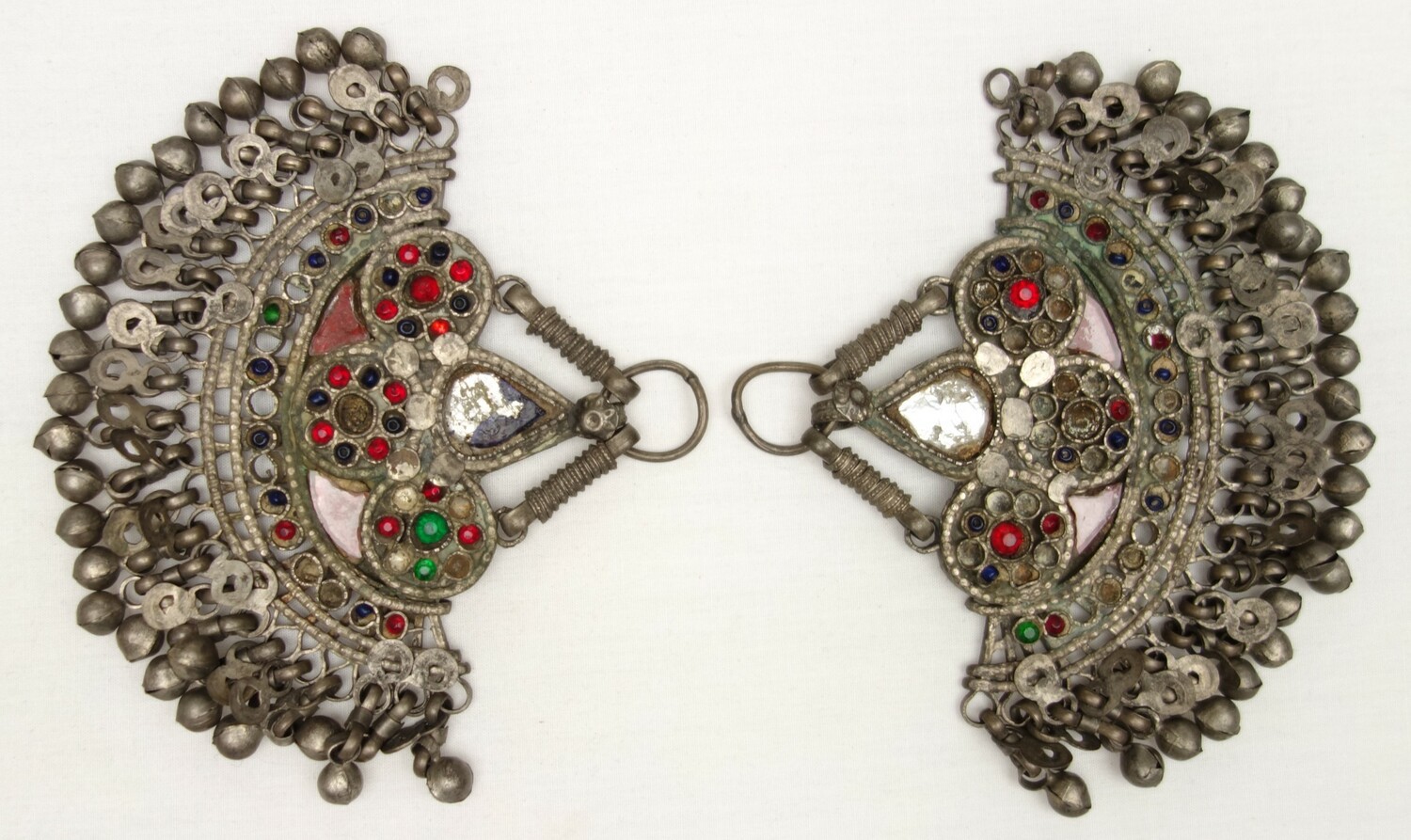
Fig. 1. A pair of temple pendants from Afghanistan (TRC 2024.0637a-b).Fig. 1. A pair of temple pendants from Afghanistan (TRC 2024.0637a-b).

by Hanke van Prooije, TRC volunteer

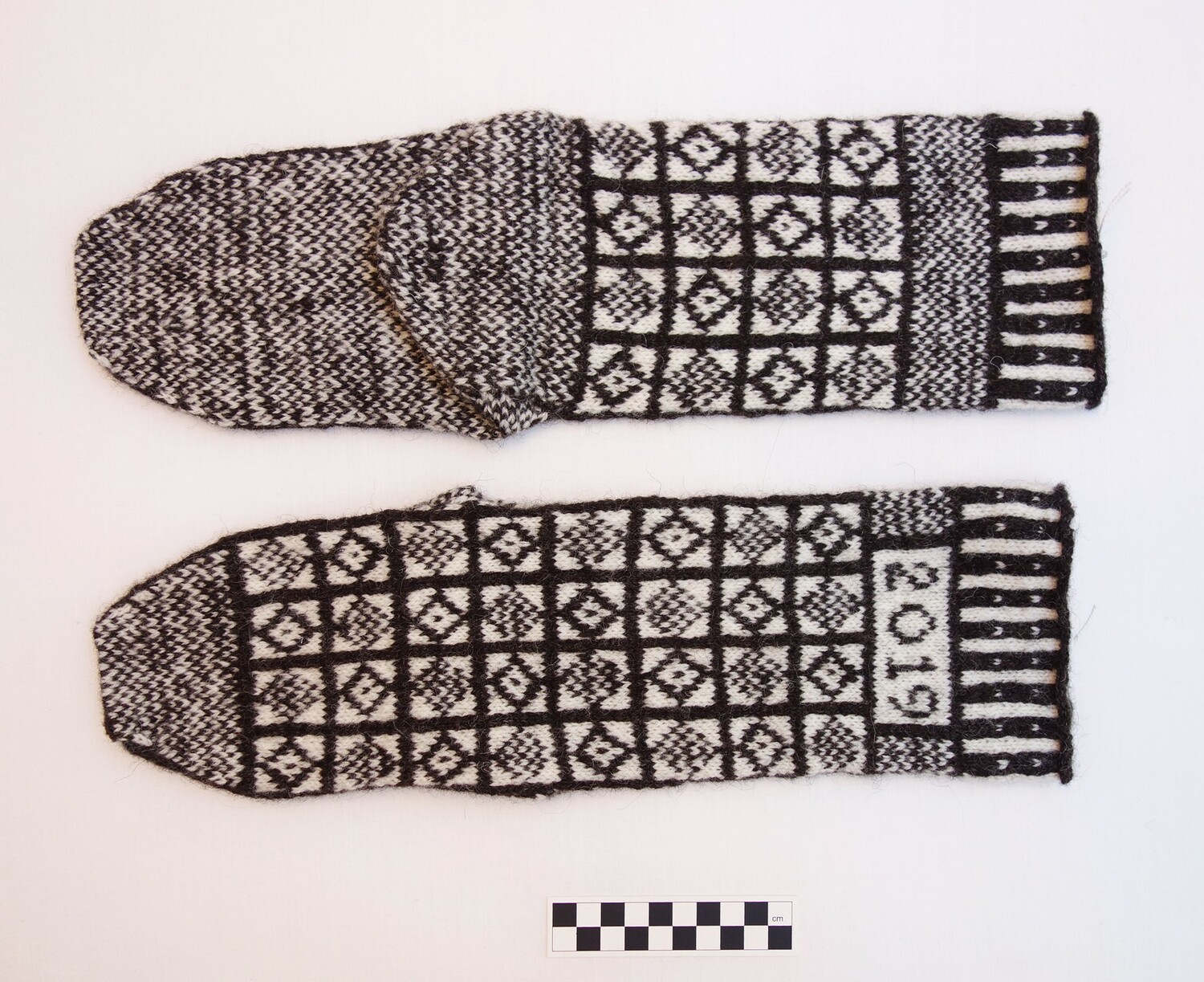
Not many items in the TRC collection are as easy to date as this pair of socks from 2019, illustrated below (Figs. 1-2). The cuff detail with the year of knitting, but also the initials of the wearer are a famous feature of the Sanquhar design.

Fig. 1. Pair of Sanquhar hand knitted socks, 2019 (TRC 2019.0274a-b).Fig. 1. Pair of Sanquhar hand knitted socks, 2019 (TRC 2019.0274a-b).

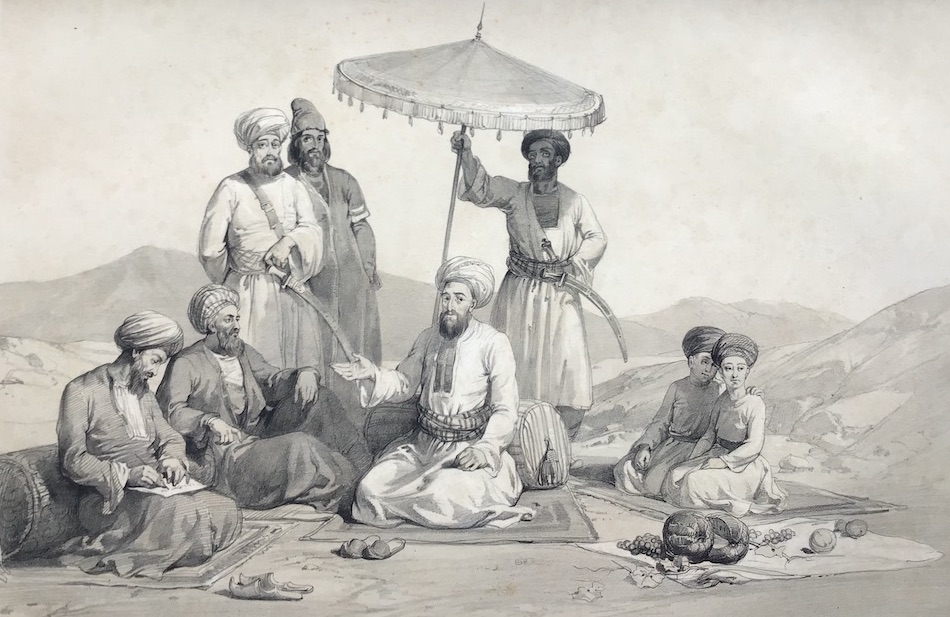
A few days ago, Gillian and I returned from a quick drive to Nice in southern France to see our dear friends Rolando and May Schinasi. Sharing my fascination with Afghanistan, and Gillian’s interest in textiles (or should I say: obsession?), they kindly gave us a number of original, mid-19th century prints of Afghanistan showing local people and their clothing, drawn by foreign artists. I want to discuss a number of them, not so much because of the people depicted, but mainly because of the garments they are wearing.

Fig. 1: "Umeer Dost Mahomed Khan”.Tinted lithograph. Plate XII in Hart and Atkinson 1843. TRC 2025.0194.Fig. 1: "Umeer Dost Mahomed Khan”.Tinted lithograph. Plate XII in Hart and Atkinson 1843. TRC 2025.0194.

by Ann Brysbaert, Professor in Ancient Technologies, Materials and Crafts, Faculty of Archaeology, Leiden University. She is also the Director of the Netherland Institute at Athens, Greece. 

***

For quite some time, I knew about this seemingly small place of the Textile Research Centre (TRC) in Leiden (as seen from the outside). Initially, I never found it open when I passed by on my walks, although the fascination for it was always there.

Eventually, I looked it up online in 2021, and found out that a famous textile scholar ran it: Dr. Gillian Vogelsang-Eastwood, a name all too familiar to 2nd year students of the BSc. (Hons, now MSc.) conservation course at UCL, which I took in the mid-90s, and which incorporated a course on the materials, technologies and conservation issues relating to woven materials and textiles.

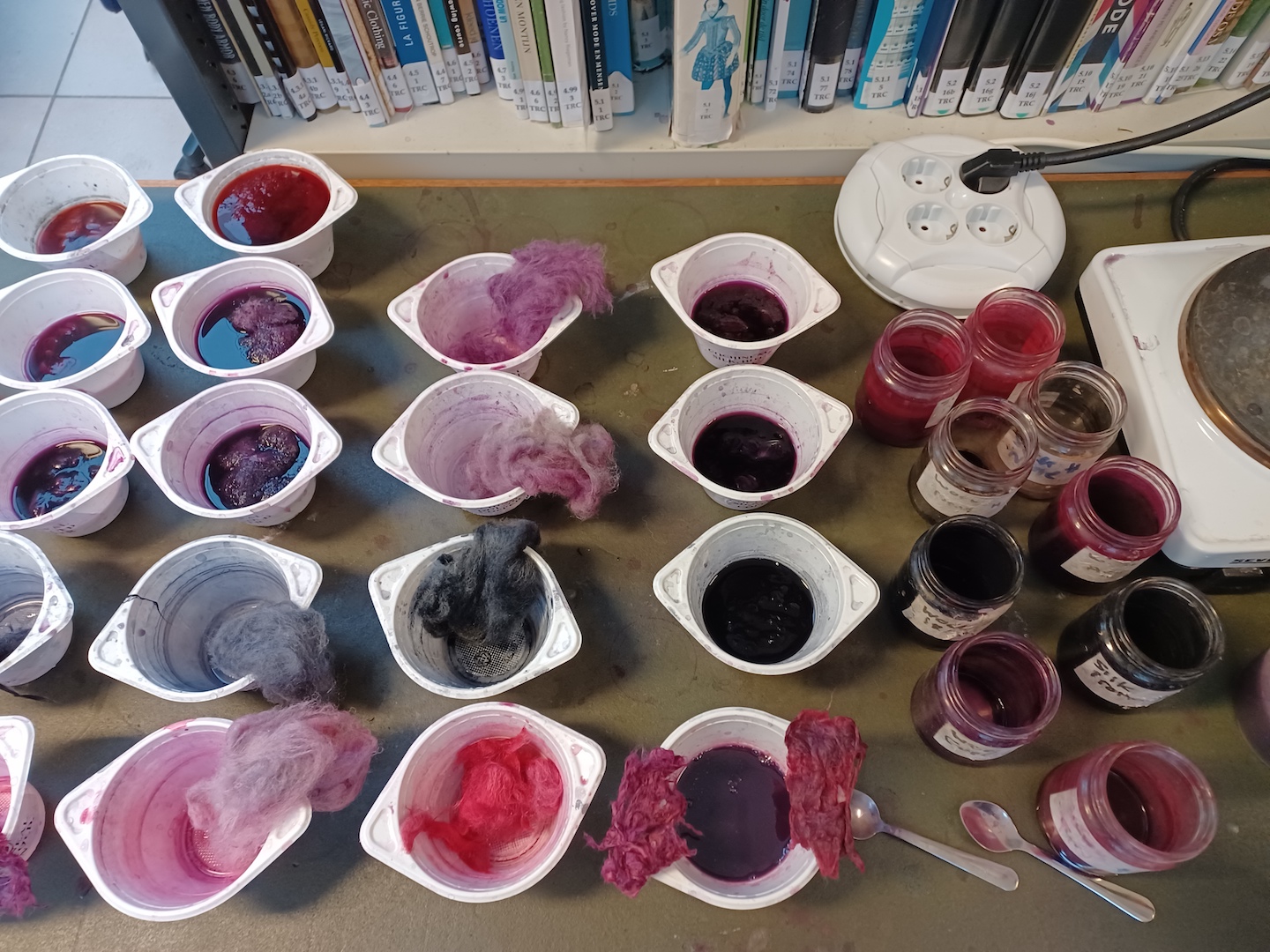
Dyeing experiments with different types of fibres in cochineal-and-mordant solution. Photograph by author.Dyeing experiments with different types of fibres in cochineal-and-mordant solution. Photograph by author.

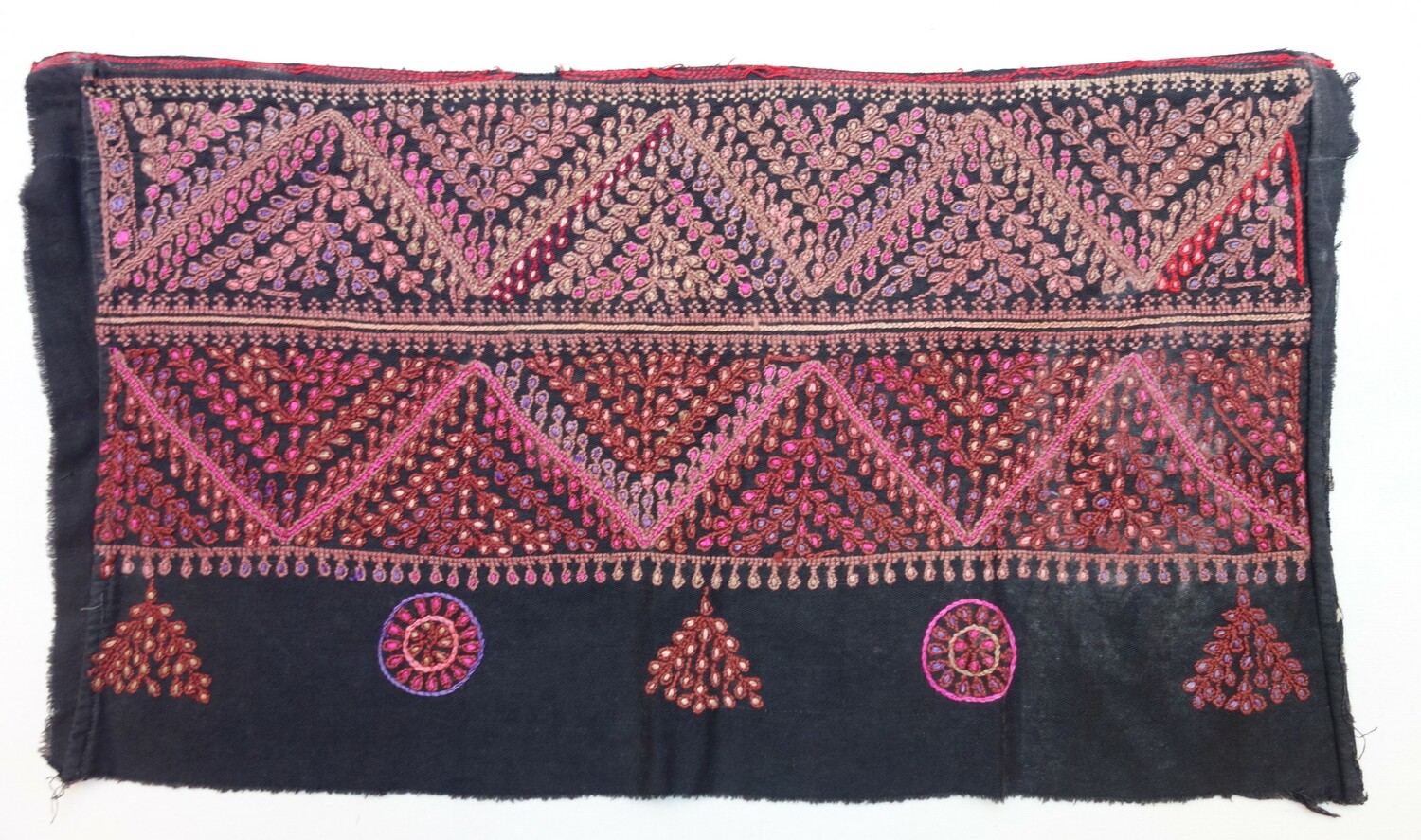
Before the Nakba of 1948, the creation of embroidered cushions in Palestine was an integral part of a bride's dowry and a way to adorn her home with handmade beauty. These cushions were not just functional items but intricate masterpieces, decorated with sophisticated embroidery patterns. Each piece was crafted with care, symbolizing the pride and skill of the embroiderer, as well as the traditions that were passed down through generations.

Part of an embroidered cushion cover, Palestine, 1920s (TRC 2025.0007).Part of an embroidered cushion cover, Palestine, 1920s (TRC 2025.0007).

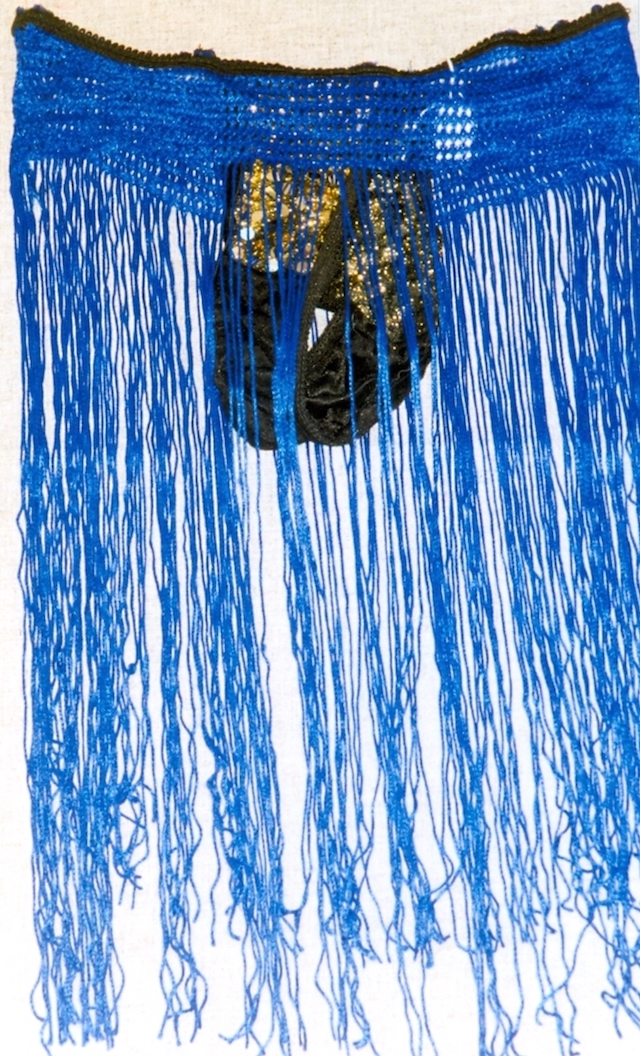
Pair of underwear with a long, blue fringe and gold-coloured material with sequins. Cairo, Egypt, 1995 (TRC 1997.0119b).Pair of underwear with a long, blue fringe and gold-coloured material with sequins. Cairo, Egypt, 1995 (TRC 1997.0119b).The TRC has a large collection of underwear from many countries, from Egypt to Sweden, from the Netherlands to Tanzania. I do like the 1995 Egyptian pants with a long, blue fringe and gold-coloured material with sequins (TRC 1997.0119b), although the dark red pair of panties with a decoration of pink flowers from Tanzania (TRC 2004.0164) might be easier to wear.

The TRC collection includes bras, slips, knickers, stocking belts, long johns, chemises, pantaloons, drawers and bloomers.

My favourites are, however, seven lingerie pouches from Japan in the 1920s-1930s, exported to the Western market to store delicate silk lingerie and scarves (TRC 2016.2172TRC 2016.2177). The floral patterns and the more abstract Art Deco designs that decorate the pouches are lovely.

Lingerie is very present in the work of Dutch artist Lara Schnitger, who was born in Haarlem in 1969. Schnitger is a Dutch textile artist who now lives and works in Los Angeles (US).

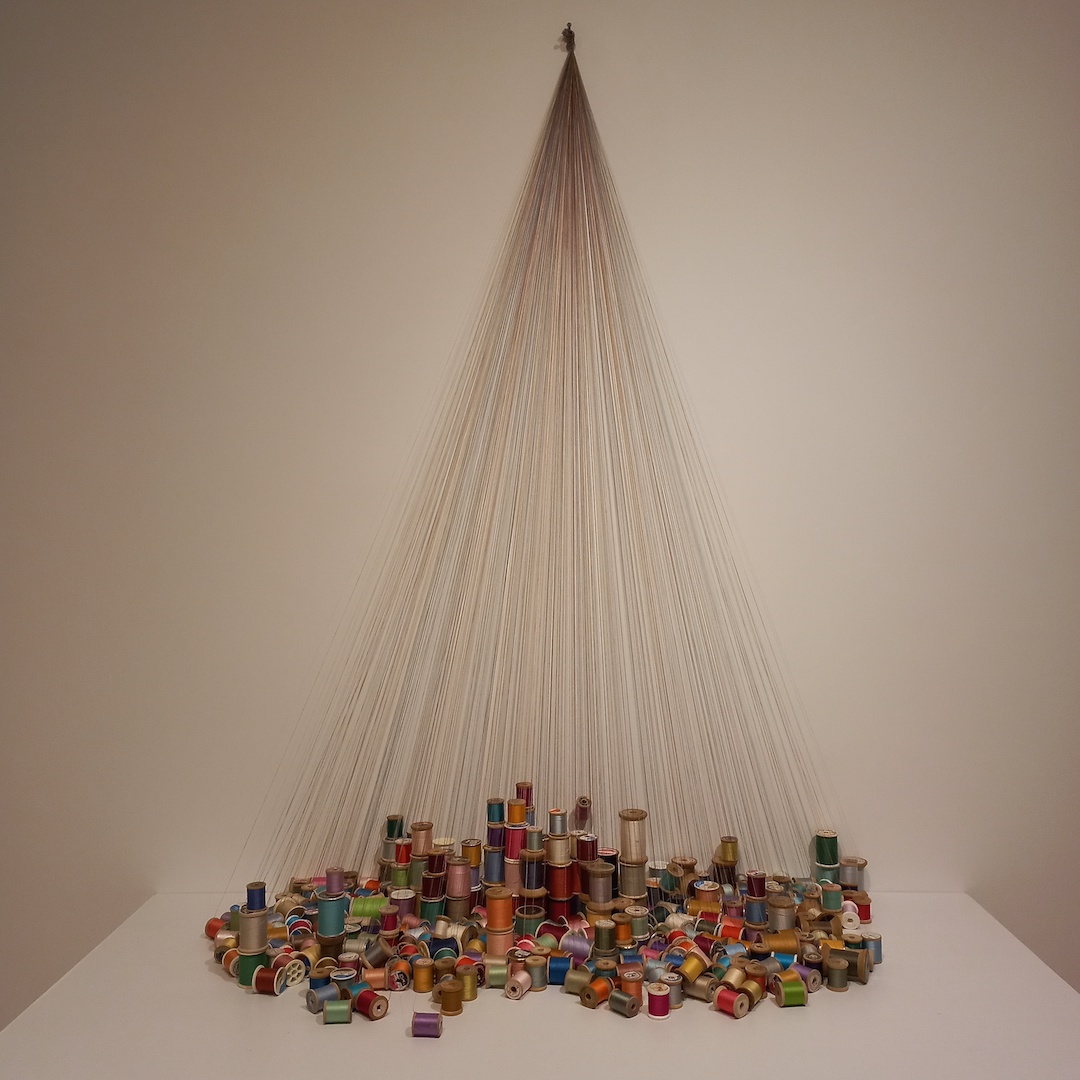
'Colorial', with 300 bobbins with threads of different colours. 2014. Artist: Natalia Villanueva Linares.'Colorial', with 300 bobbins with threads of different colours. 2014. Artist: Natalia Villanueva Linares.Willem and I are just back from a few days in Paris (a birthday present from our two sons and their partners), going to museums, galleries, and generally relaxing. Last Tuesday, 7th January, we wanted to go to the Musée Orsay to see some of the impressionist paintings, but while walking there we spotted an exhibition at the Maison de l’Amérique Latine ('Une brève histoire de fils (de 1960 à nos jours)', which was about various Latin American textile artists and their work. So we popped in.

A very wide range of cloth and thread-based work was on display, some of which very detailed, while others were large and thought-provoking, but nearly all well-made by people who understood what is a thread/cloth. One or two items were less so, but it it inevitable in an exhibition of this nature that some items appeal and others do not.

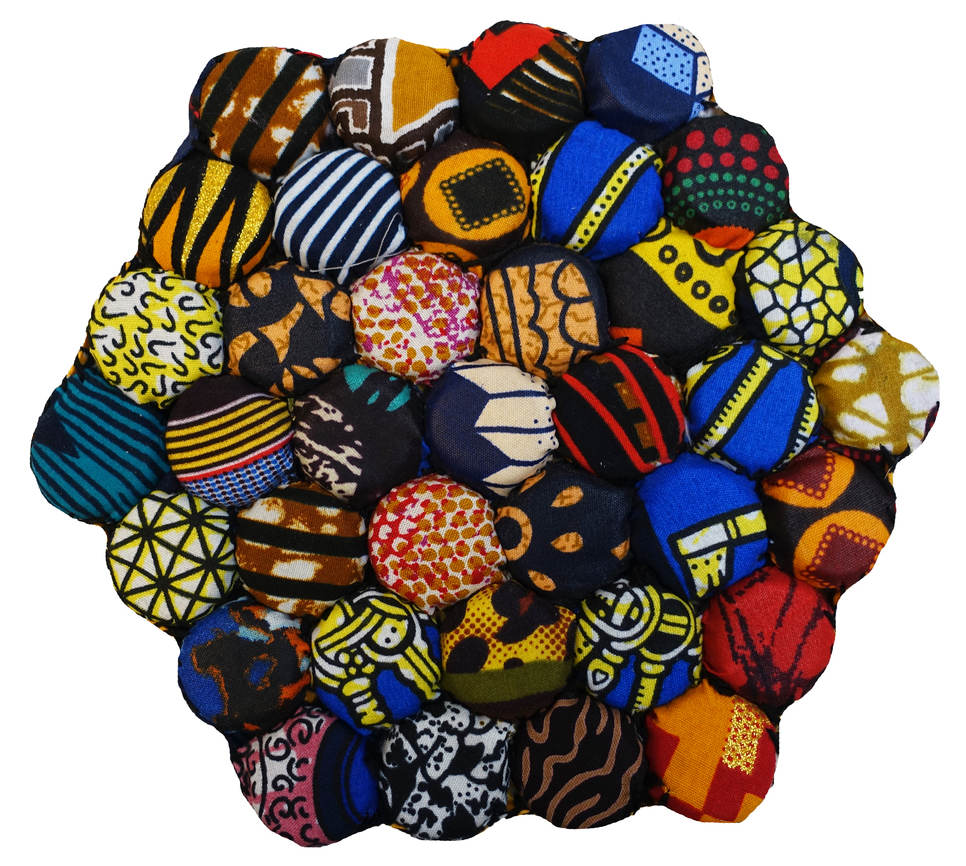
Multi-coloured mat from Namibia, 2024, made out of metal bottle caps. Each cap is covered with different, wax-printed fabrics individually cut out and then hand sewn together in an octogonal shape (TRC 2024.3444).Multi-coloured mat from Namibia, 2024, made out of metal bottle caps. Each cap is covered with different, wax-printed fabrics individually cut out and then hand sewn together in an octogonal shape (TRC 2024.3444).This year (2024) has seen various developments with regards the TRC's cooperation with Leiden University.

Thanks to Prof. Annetje Ottow, Chair of the Leiden University Board and a supporter of the TRC through the donation of family garments from the Dutch East Indies, we were put in contact with Alexander Mouret, Regional Partnering Manager Artificial Intelligence at LURIS, the Knowledge Exchange Office of Leiden University. On 12-13 September this year he organized a symposium in Leiden on 'Indifference', where I had the honour to present a paper on 'Indifference to .... textiles'.

Alexander is helping us to find more routes and channels between the TRC, the University, and the commercial world, while at the same time exploring possible donors and sponsors, and indeed how we can all work together.

Zoek in TRC website

Contact

Boerhaavelaan 6
2334 EN Leiden.
Tel. +31 (0)6 28830428  
office@trcleiden.org

Het TRC is elke dag geopend tussen 10.00 en 15.00 uur.

facebook 2015 logo detail


instagram vernieuwt uiterlijk en logo


Bankrekening

NL39 INGB 0002 9823 59, t.a.v. Stichting Textile Research Centre.

Financiële giften

Het TRC is afhankelijk van project-financiering en privé-donaties. Al ons werk wordt verricht door vrijwilligers. Ter ondersteuning van de vele activiteiten van het TRC vragen wij U daarom om financiële steun:

Giften kunt U overmaken op bankrekeningnummer (IBAN) NL39 INGB 000 298 2359, t.n.v. Stichting Textile Research Centre. BIC code is: INGBNL2A

U kunt ook, heel simpel, indien u een iDEAL app heeft, de iDEAL-knop hieronder gebruiken en door een bepaald bedrag in te vullen: 


Omdat het TRC officieel is erkend als een Algemeen Nut Beogende Instelling (ANBI), en daarbij ook nog als een Culturele Instelling, zijn particuliere giften voor 125% aftrekbaar van de belasting, en voor bedrijven zelfs voor 150%. Voor meer informatie, klik hier