• F1
  • F2
  • F3
  • F4

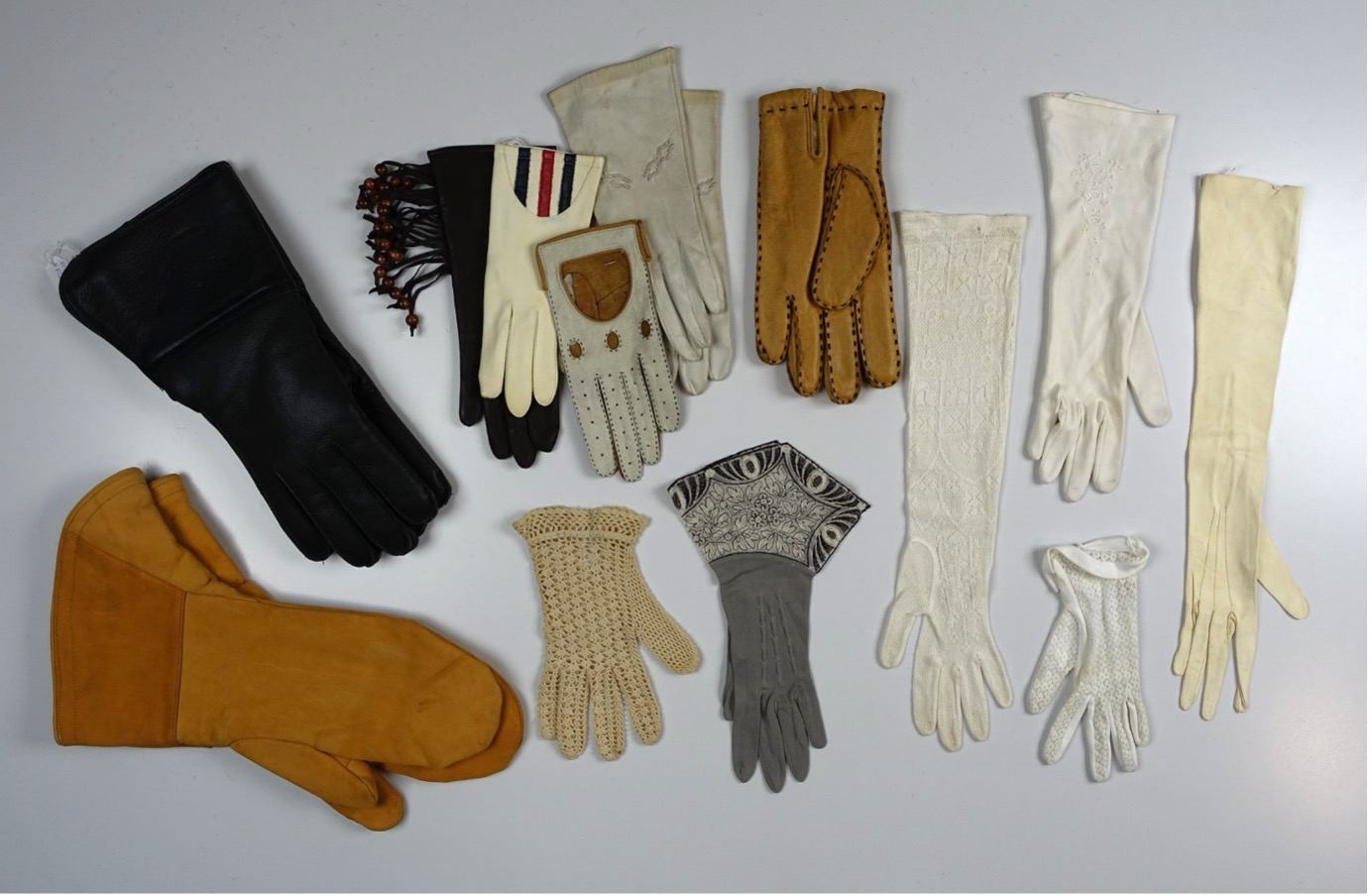
(Emilie Lambert, collection manager, TRC, 17 October 2026) The TRC houses over 300 pairs of gloves, mittens and gauntlets. They are made of leather, wool or silk, in lace or with net work. They may be knitted, and be practical or purely decorative. The sheer variety, both technically and culturally, is fascinating (Fig. 1). Some of the gloves are highlighted in previous blogs, such as one about Scottish examples, written by Hanke van Prooije in 2025.

Fig 1: Assortment of gloves in the TRC collection showing the wide variety in material, shape, and decoration.Fig 1: Assortment of gloves in the TRC collection showing the wide variety in material, shape, and decoration.

(by Minsook Kang, 14 October 2026) When preparing a mini exhibition at the TRC (click here), the author brought together a selection of sarongs from the island of Buton in Indonesia in order to explore the garment as a form of embodied and transmitted knowledge. This blog introduces the exhibition and provides deeper context concerning Buton sarong traditions - tracing how patterns, motifs, weaving practices, and memories are transmitted across generations through speech, observation, and the hands. Rooted in a strong oral tradition, the sarong emerges as a living textile language, shaped by everyday life, nature, and generations of makers.
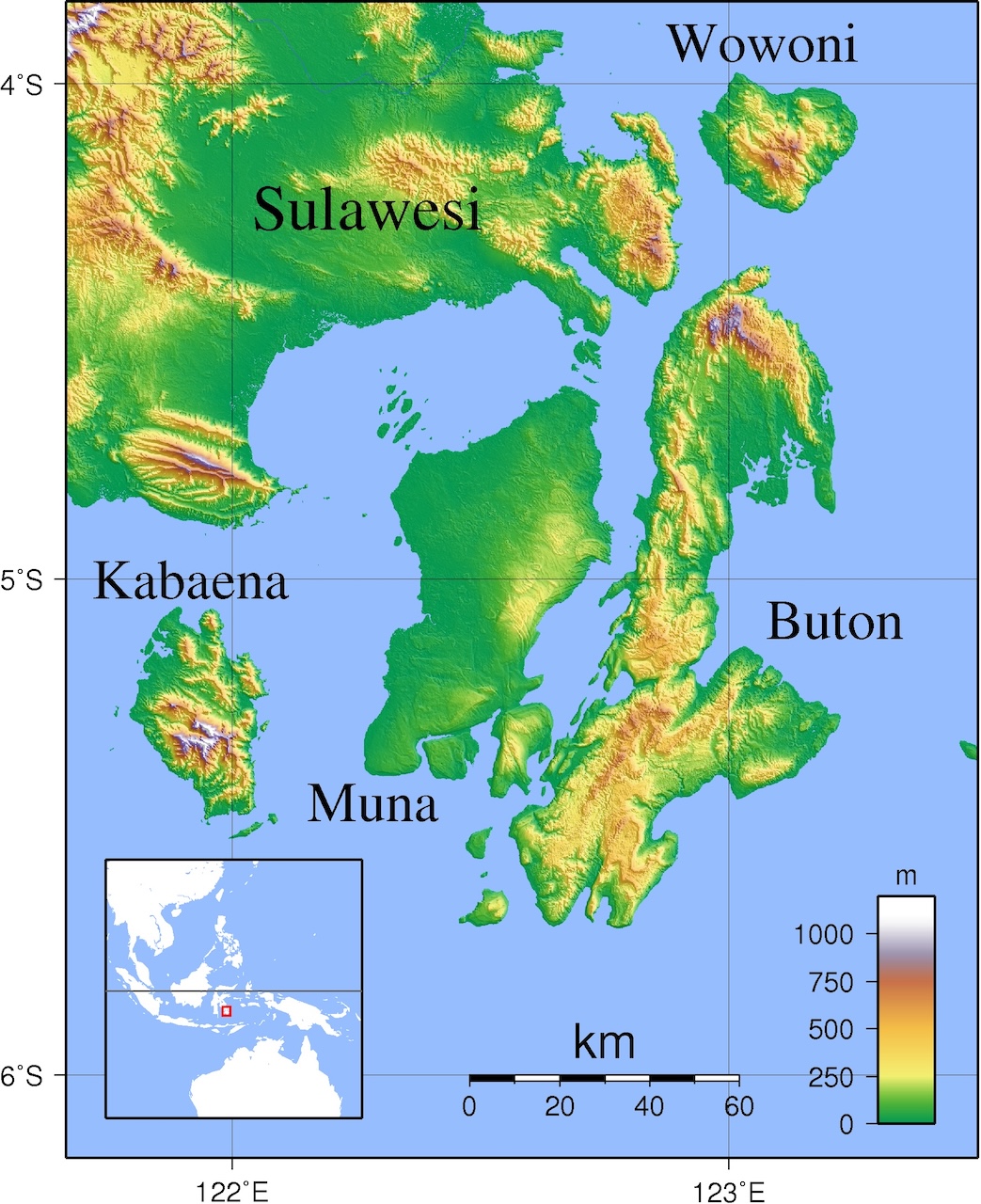
Fig. 1. Map of Buton Island, Sulawesi, Indonesia.Fig. 1. Map of Buton Island, Sulawesi, Indonesia.Minsook Kang is a visual artist and researcher currently studying Textile and Text (TXT) at the Gerrit Rietveld Academie in Amsterdam and working as an intern at the Textile Research Centre (TRC). Her practice explores stories, memory, and embodied knowledge through forms of care, attention, and material engagement, working across textiles, moving image, installation, and publication.

Buton sarongs and the “Language of Hands”

This mini exhibition showcases Indonesian TRC textiles and links them with a project called Native Tongue, bringing together the oral language of the Cia-Cia indigenous community in Baubau, on Buton Island in Southeast Sulawesi, Indonesia and the textile traditions of the Buton region.

Native Tongue began with the story of the Cia-Cia language and the adoption of Hangul, the Korean alphabet, as a writing system in 2009, in an effort to support the preservation of a predominantly oral language. When I first encountered this story, I was interested in the relationship between oral language, writing, and cultural preservation. However, after visiting Buton Island, I began to realise that the narratives I had encountered from outside the region could not fully describe the complexity of its linguistic and social realities.

Tokyo-based textile designer Hana Mitsui. Photograph: www.hanatextiledesign.comTokyo-based textile designer Hana Mitsui. Photograph: www.hanatextiledesign.com(Flora Kovacs-Wester, TRC Fellow, 12 October 2026) As part of my research into Japanese kasuri weaving (see my earlier TRC blog post), I recently had the opportunity to interview Japanese textile designer Hana Mitsui about her practice and her approach to traditional Japanese textiles.

Drawing on her experience with leading fashion and textile houses in Japan and internationally, Mitsui combines traditional weaving techniques with new approaches to materials, patterns and production. During our conversation, Mitsui generously offered to donate a selection of samples from her experiments with Kurume kasuri to the TRC. The donated samples make a meaningful addition to TRC’s existing collection of traditional kasuri textiles and enable us to expand the ways in which Kurume kasuri can be understood and researched within the TRC collection.

Mitsui’s ability to see new possibilities in fabric caught the attention of the fashion world early in her career. While studying at the Royal College of Art in London, Alexander McQueen selected her graduation textile for its Spring/Summer 2015 Paris collection.

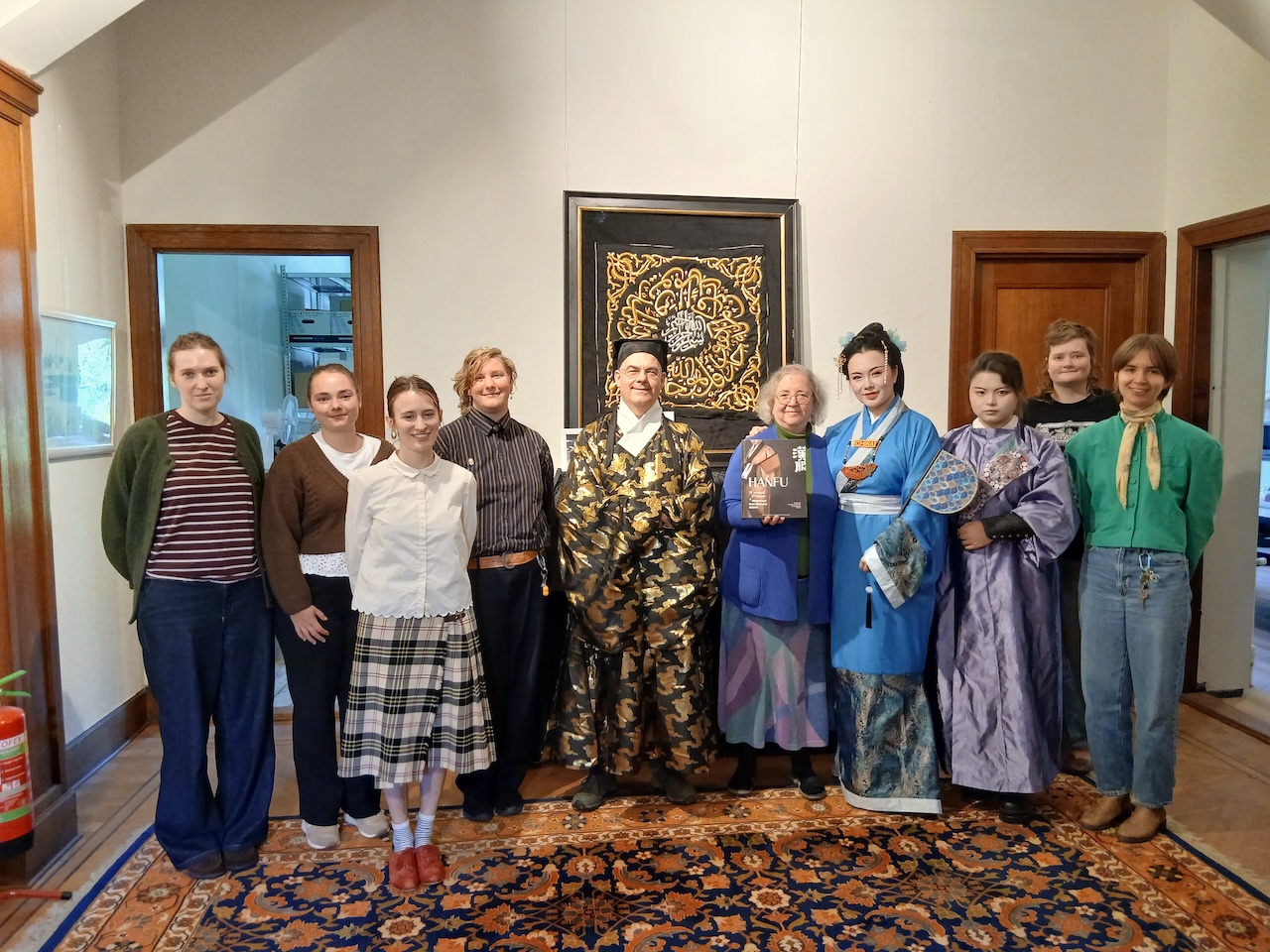
(Gillian Vogelsang, 5 October 2026) A few days ago, Danni Wang, who is of Chinese origin and lives in The Netherlands, came to the TRC with two of her friends, all of whom were dressed in Hanfu. They looked so different and ‘exotic’. And yes, that was the whole point. Hanfu has become more and more popular over the last twenty or so years with many Chinese, both in China itself and among the diaspora, as well as others who love Chinese history and culture.

Our guests in Hanfu clothing at the TRC, 5 October 2026.Our guests in Hanfu clothing at the TRC, 5 October 2026.

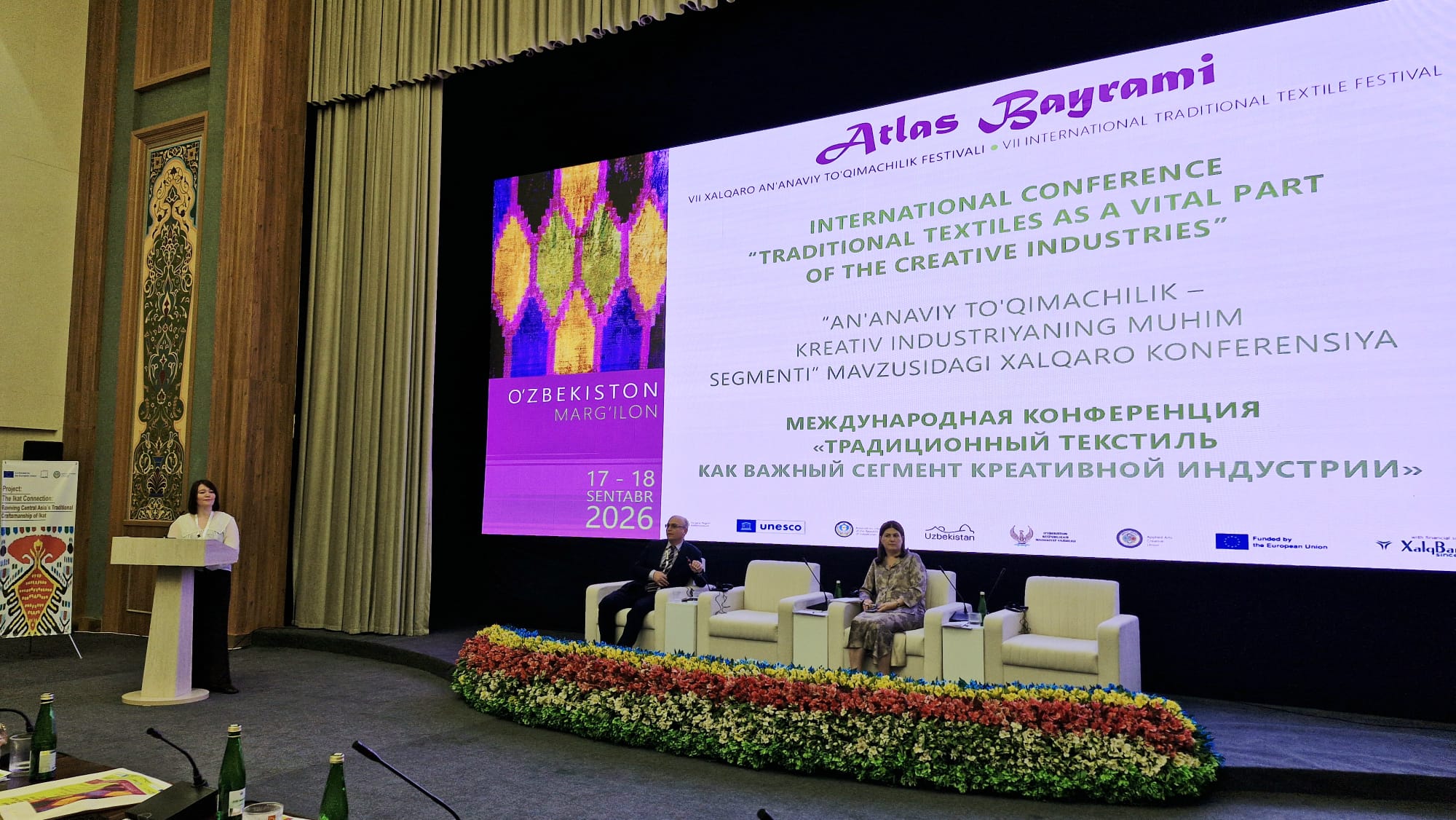
(by Augusta de Gunzbourg, TRC curator and education manager, 25 September 2026). The TRC was invited recently to attend "Atlas Bayrami", the 7th International Traditional Textile Festival, held in Margilan in the Fergana Valley, in the east of Uzbekistan. I attended the festival as TRC's representative. The event celebrated the country's textile traditions, and in particular the traditional silk ikats of this region. This extraordinary invitation was a chance to represent the TRC at an international conference and to better understand a textile history that is still very much alive in the valley and across the country.

The author speaking during the conference.The author speaking during the conference.

Length of cloth made from strips (15 cm) of woven cotton, dyed brown and then painted with various motifs. The fringes are decorated with white cowrie shells. Mali? (TRC 2026.2254).Length of cloth made from strips (15 cm) of woven cotton, dyed brown and then painted with various motifs. The fringes are decorated with white cowrie shells. Mali? (TRC 2026.2254).(Gillian Vogelsang, 28 September 2026) It is noticeable, since we moved to our new home on the Boerhaavelaan, that we have been increasing our international links and connections. We are welcoming more and more visitors from all over the world – just the other day we had a guest from China wanting to know what we did, while upstairs a researcher from Indonesia was looking at part of our Indonesian batik collection. We have also recently had several visitors from Iran as well as the USA and Canada, not to mention home-grown visitors from The Netherlands. We also currently have interns and student volunteers from Belgium, Lithuania, and Korea (she is studying Indonesian textiles) all adding to the international mix at the TRC.

Textile fellowships

Thanks to the generous help of the Gieskes-Strijbis Foundation, Amsterdam, the TRC has a three-year fellowship programme for the study of textiles and dress, based on the TRC Collection. The first fellow, Flora Kovacs Wester, is Hungarian, lives in The Netherlands and carries out research on  kasuri, a Japanese resist-dyeing technique. Earlier this year we announced a second round of fellowships and there were 39 applicants from literally all over the world. We appointed two junior fellows and one senior fellow, who will be working on different aspects of the TRC Collection. We hope to welcome them within a few weeks. These fellowships are certainly causing ripples in the textile world. The third round of fellowships will be announced shortly and we expect even more interest in this fellowship programme.

We have just had the second Open Monumenten Dagen (OMD) day (Sunday, 13 September), which was from 10.00 until 17.00 and we are all very, very tired! I am glad that the OMD is only once a year, but it is well worth it for getting people interested in what the TRC is doing and why.
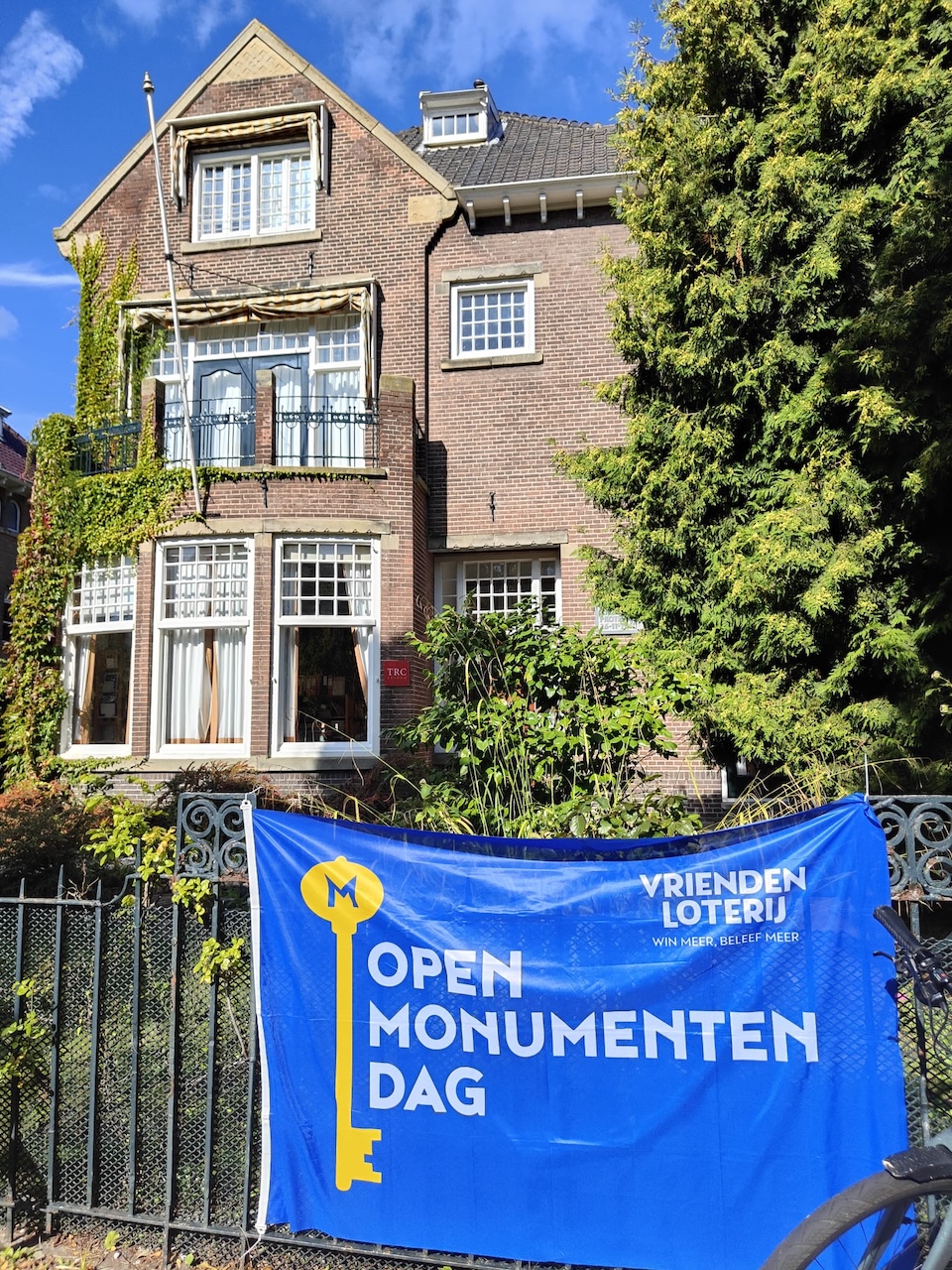
Yesterday we had 111 visitors and today 214 people came to see Boerhaavelaan 6 (B6), giving a total of 325 over the weekend. Again there were people who live on the street or nearby, who were simply curious about the building and the family who had lived there for over 100 years. Many people came for the architectural history of the building, while others came for the textiles and to see what the TRC is and is doing.

There were five TRC volunteers present and we all had a chance to talk with visitors, answer questions, and help with the shop, so plenty of opportunities to tell everyone about what we are doing and why. In addition we were able to talk with teachers from here in Leiden, people from Leiden Council, as well as others working with local commercial groups. In other words, a great opportunity for people to see the TRC in action and its potential as a local and international centre for textile and dress studies.

Boerhaavelaan 6Boerhaavelaan 6(Gillian Vogelsang, 12 September) We have finished our first day of the Open Monument Weekend (Open Monumentendagen), which is a national event where people can come and look at various forms of monumental buildings, from factories to cathedrals, via churches and castles. Not to mention, public and private buildings of various types and ages.

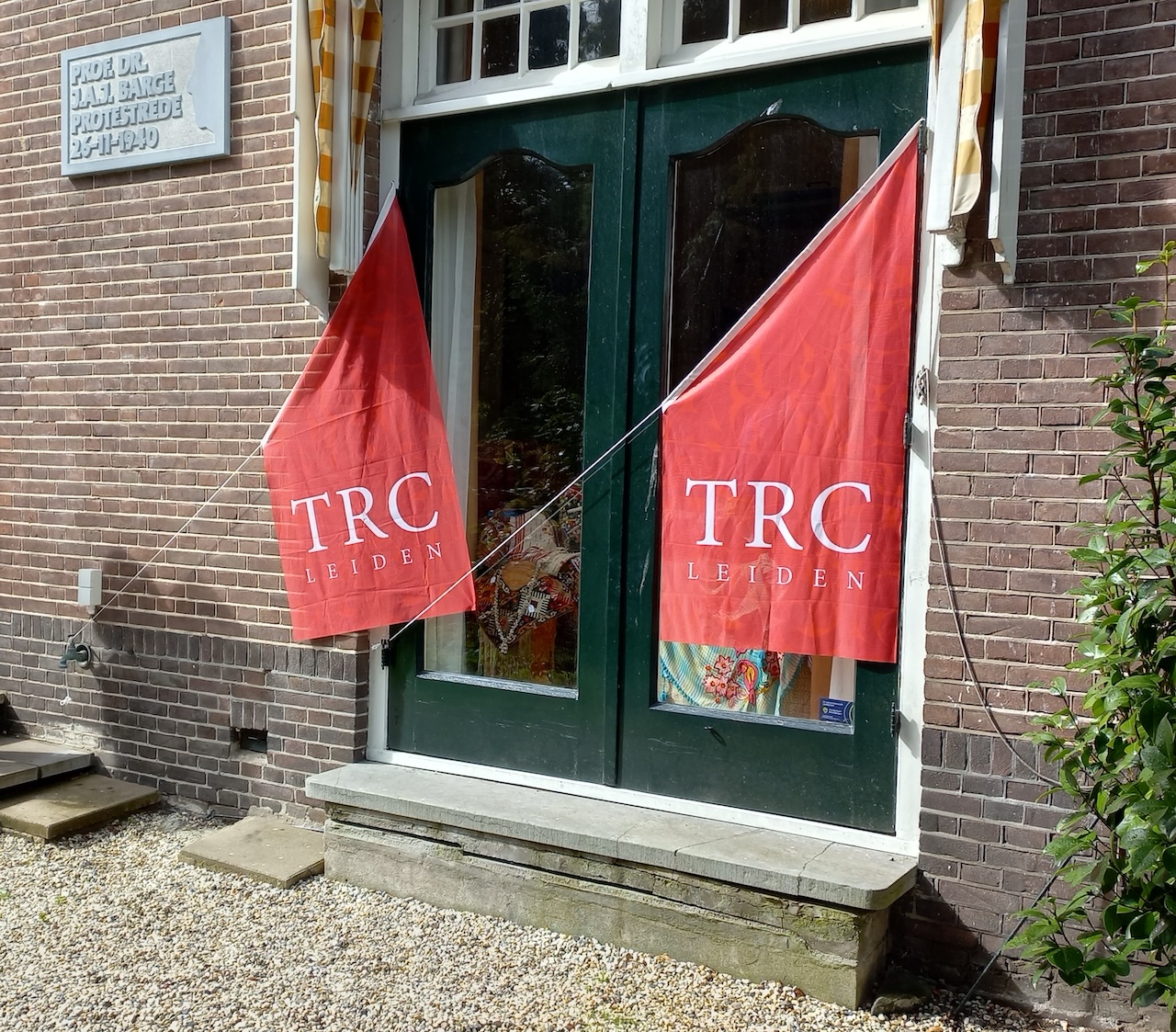
The TRC was opened last year and we agreed to be open again this year, as it is a great way for people to see the building (Boerhaavelaan 6) and to learn about the TRC and what we are doing. Today we were open from 12.00 until 17.00 and we had over 100 visitors. The first, actually came at 10.30 as the banner was in situ and the door open!

There was a constant flow of visitors from 11.30 onwards. Most people came to see the building, for example, there were some who had lived on or near the Boerhaavelaan and simply wanted to see what the house looked like on the inside. Others were interested in the architect, Jesse, who was involved in building both the house and its extension.

But there was an equal number who had heard about the TRC via the local newspapers, online (especially LinkedIn), etc., and wanted to learn more about what we are doing and why. The shop was open and many items sold to visitors, another way of helping to support the TRC! Various people took the new TRC brochure with the promise to make a donation. There were also a number of people who are now seriously thinking about becoming a volunteer and helping with the day-to-day running of the TRC.

Zoek in TRC website

Contact

Boerhaavelaan 6
2334 EN Leiden.
Tel. +31 (0)71 5134144 (kantooruren)  
office@trcleiden.org

Het TRC is elke dag geopend tussen 10.00 en 15.00 uur.

facebook 2015 logo detail


instagram vernieuwt uiterlijk en logo


Bankrekening

NL39 INGB 0002 9823 59, t.a.v. Stichting Textile Research Centre.

Financiële giften

Het TRC is afhankelijk van project-financiering en privé-donaties. Al ons werk wordt verricht door vrijwilligers. Ter ondersteuning van de vele activiteiten van het TRC vragen wij U daarom om financiële steun:

Giften kunt U overmaken op bankrekeningnummer (IBAN) NL39 INGB 000 298 2359, t.n.v. Stichting Textile Research Centre. BIC code is: INGBNL2A

U kunt ook, heel simpel, indien u een iDEAL app heeft, de iDEAL-knop hieronder gebruiken en door een bepaald bedrag in te vullen: 


Omdat het TRC officieel is erkend als een Algemeen Nut Beogende Instelling (ANBI), en daarbij ook nog als een Culturele Instelling, zijn particuliere giften voor 125% aftrekbaar van de belasting, en voor bedrijven zelfs voor 150%. Voor meer informatie, klik hier.