• F3
  • F4
  • F2
  • F1

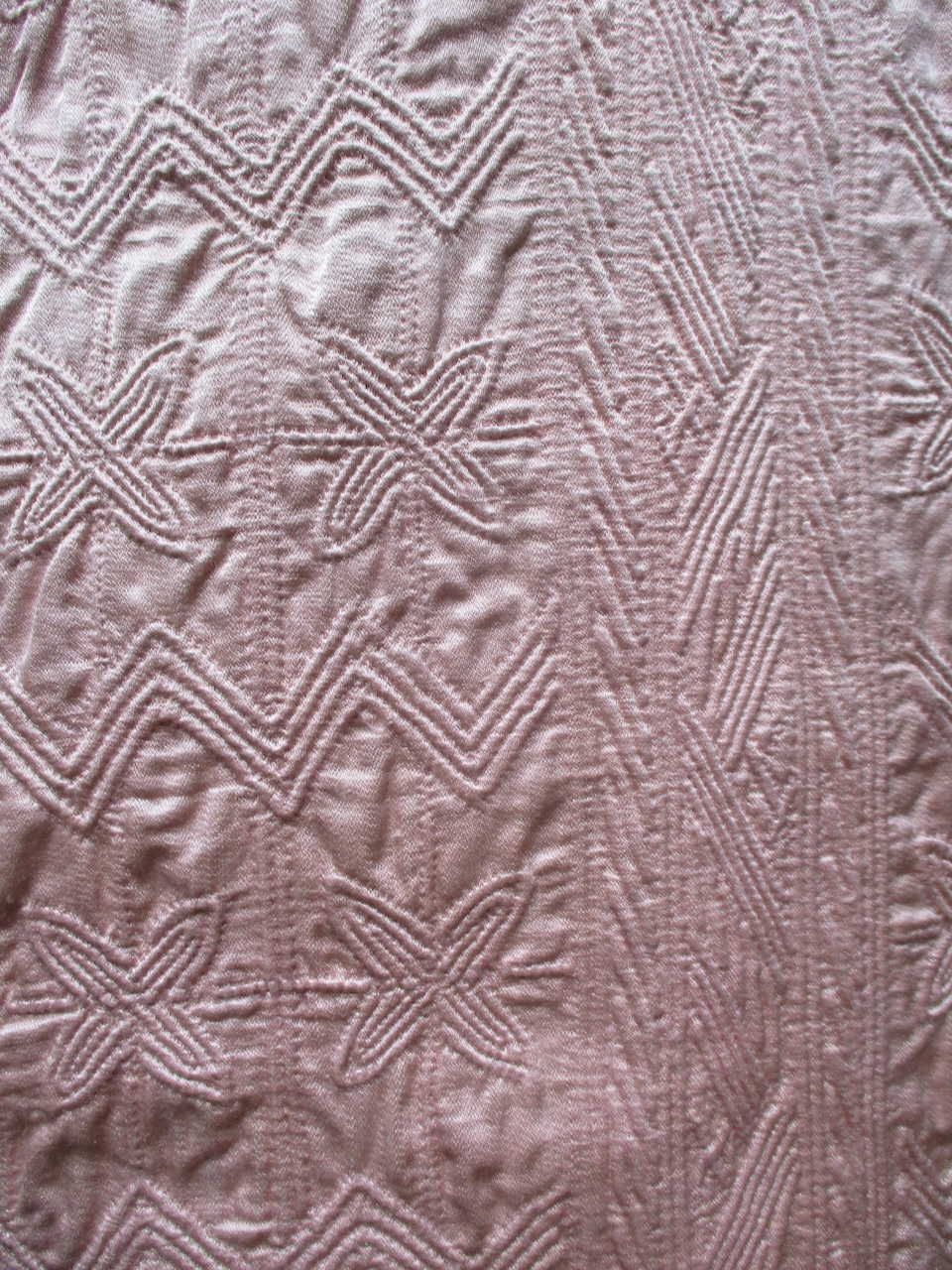
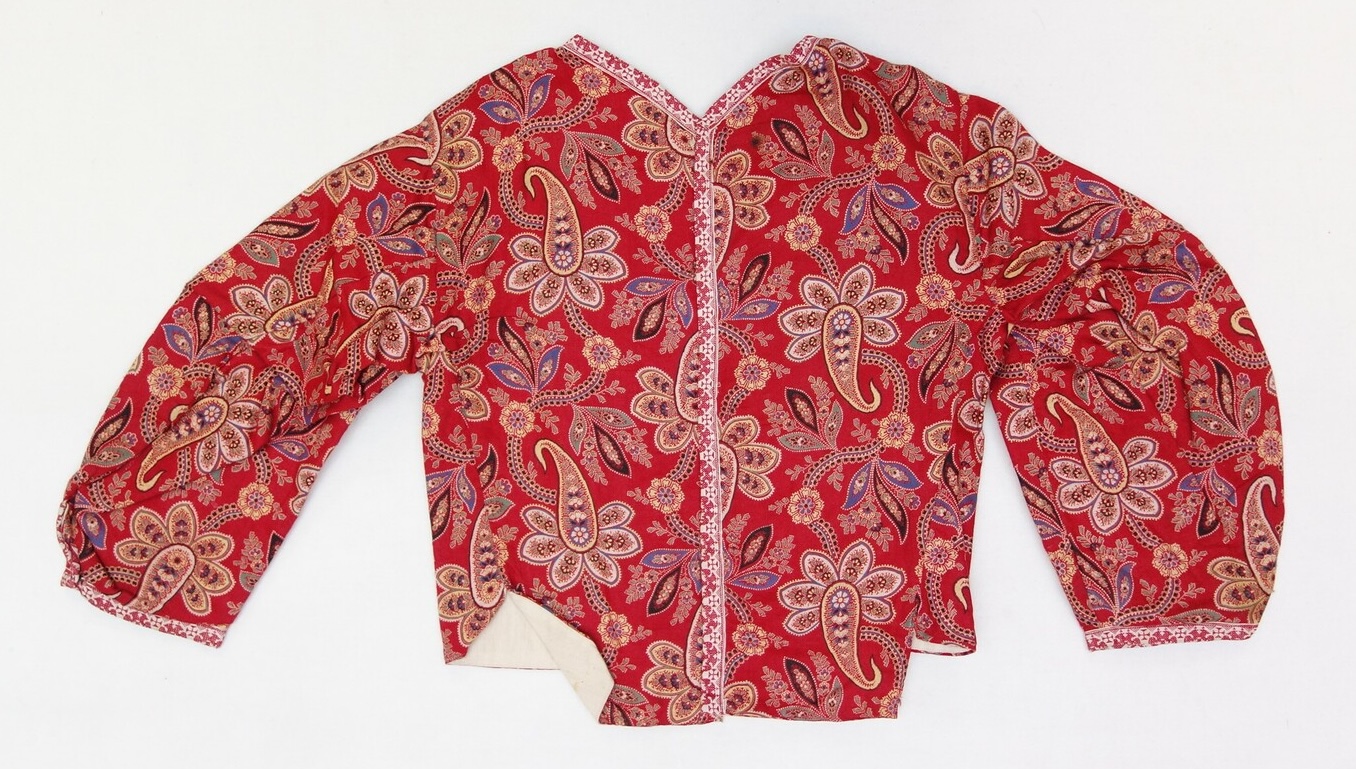
Fig. 1. Padded container for a glass kohl bottle. Palestine, early/mid 20th century  (TRC 2005.0086).Fig. 1. Padded container for a glass kohl bottle. Palestine, early/mid 20th century (TRC 2005.0086).The announcement in December 2025 that kohl is now included in the UNESCO Representative List of the Intangible Cultural Heritage of Humanity sent me immediately to the TRC’s on-line catalogue in order to learn more. What exactly is kohl and what role does it play in dress and identity?

The UNESCO description states that “Arabic Kohl is both a craft and a social practice that is integral to the lifestyle of Bedouin and nomadic tribes, as well as rural, marshland, and fishing communities in the Arab region.... In addition to being a symbol of community identity and a key part of daily beauty routines, kohl is used as a physical and spiritual healing remedy."

The UNESCO text continues: "[Kohl] promotes dialogue and fosters meaningful exchanges between nations and communities of women. Kohl-rimmed eyes also serve as a strong form of female expression, particularly in societies where only eyes are visible due to face coverings."

Boreray Ram. Commons Wikimedia.Boreray Ram. Commons Wikimedia.It’s a good feeling to think that the TRC’s next Intensive Textile Course (23-27 February, 2026) will take place in our new home. One of the most enjoyable parts of that course was the section about fibre identification. The chance to see, touch and smell the incredible variety of plant and animal fibres that have been turned into textiles is amazing.

The TRC has samples of a wide range of animal fibres in its collection, from alpacas, camels, goats, horses, llamas, seals, silk worms (both wild and cultivated) and, of course, sheep.

The TRC recently received a donation of wool from a very rare breed of sheep—the Boreray (TRC 2025.1854a) The wool is very soft, lanolin-rich, with colours that range from white to light grey. It was collected this summer by a friend of mine, from one of the several small herds in the Orkney Islands. Because she is a spinner, she also donated some spun Boreray wool (TRC 2025.1854b).

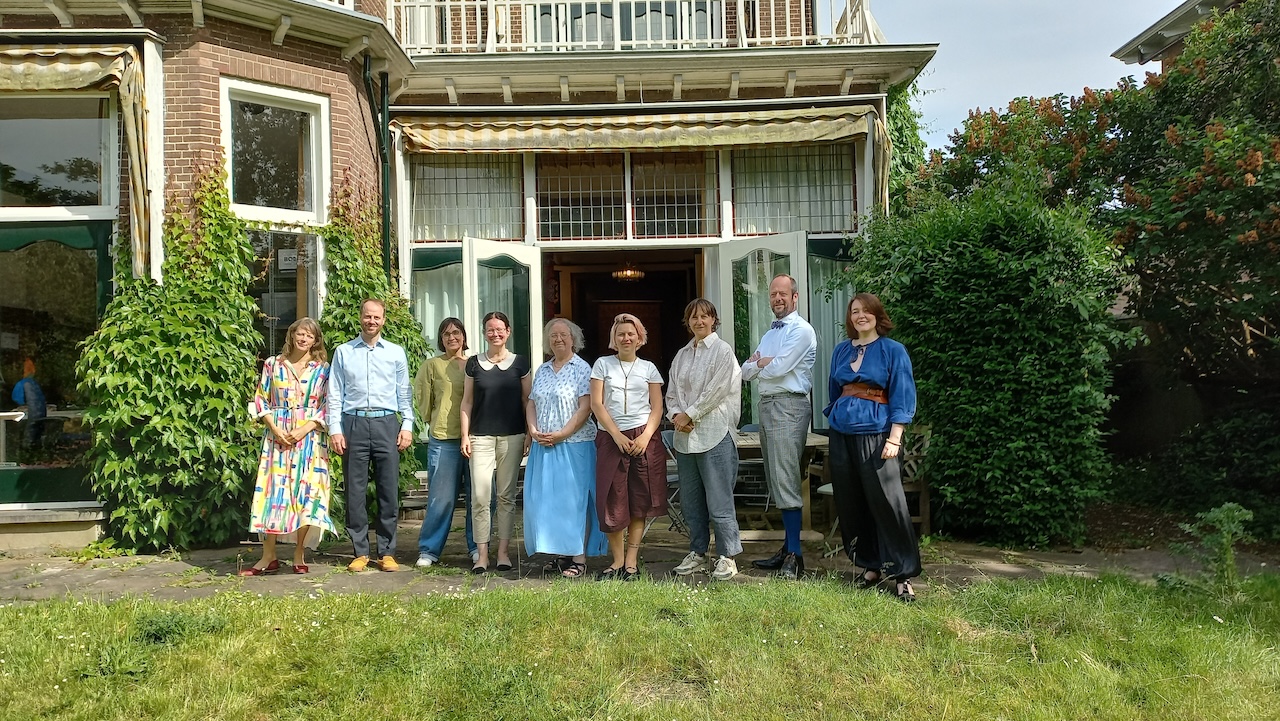
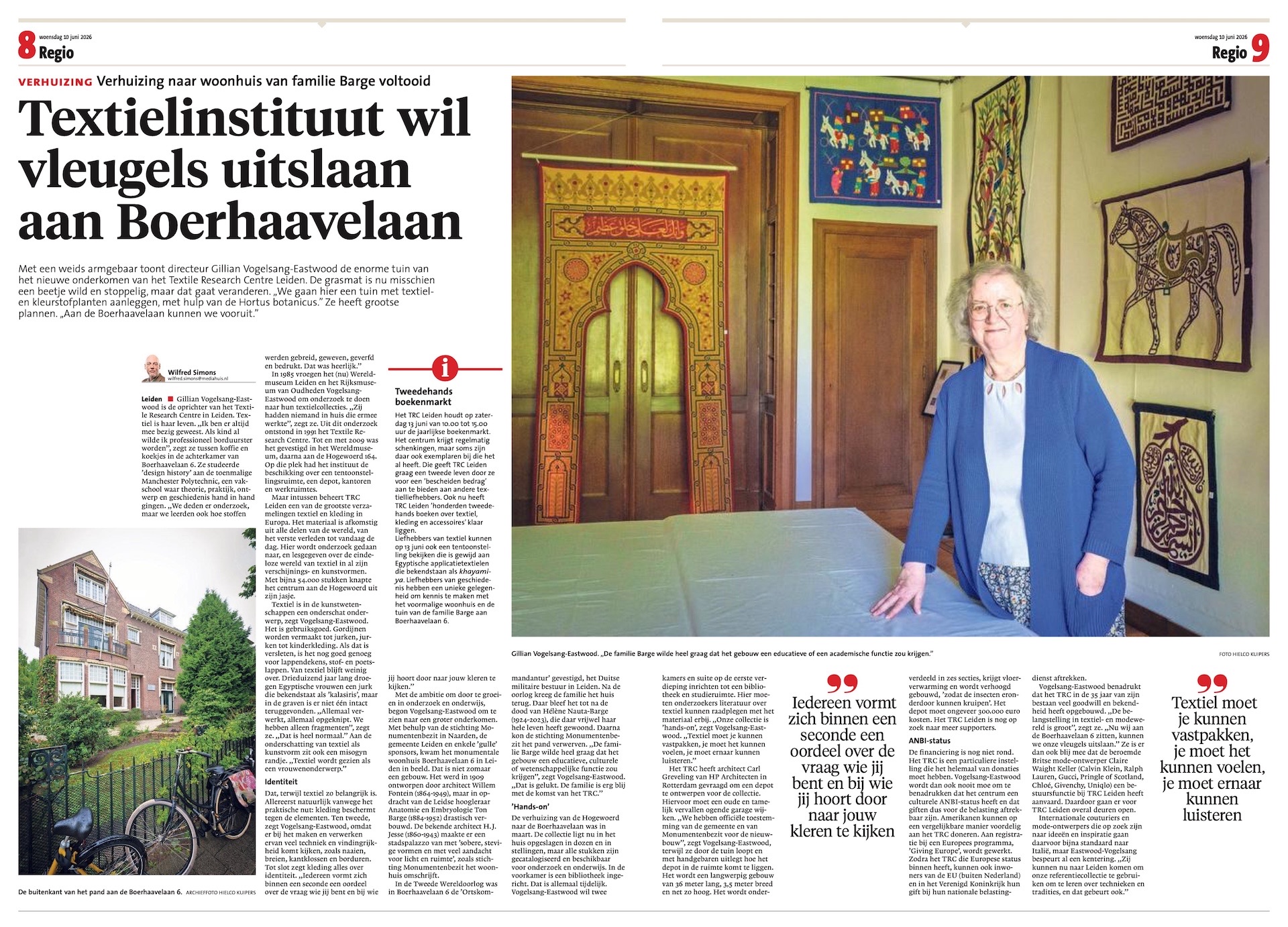
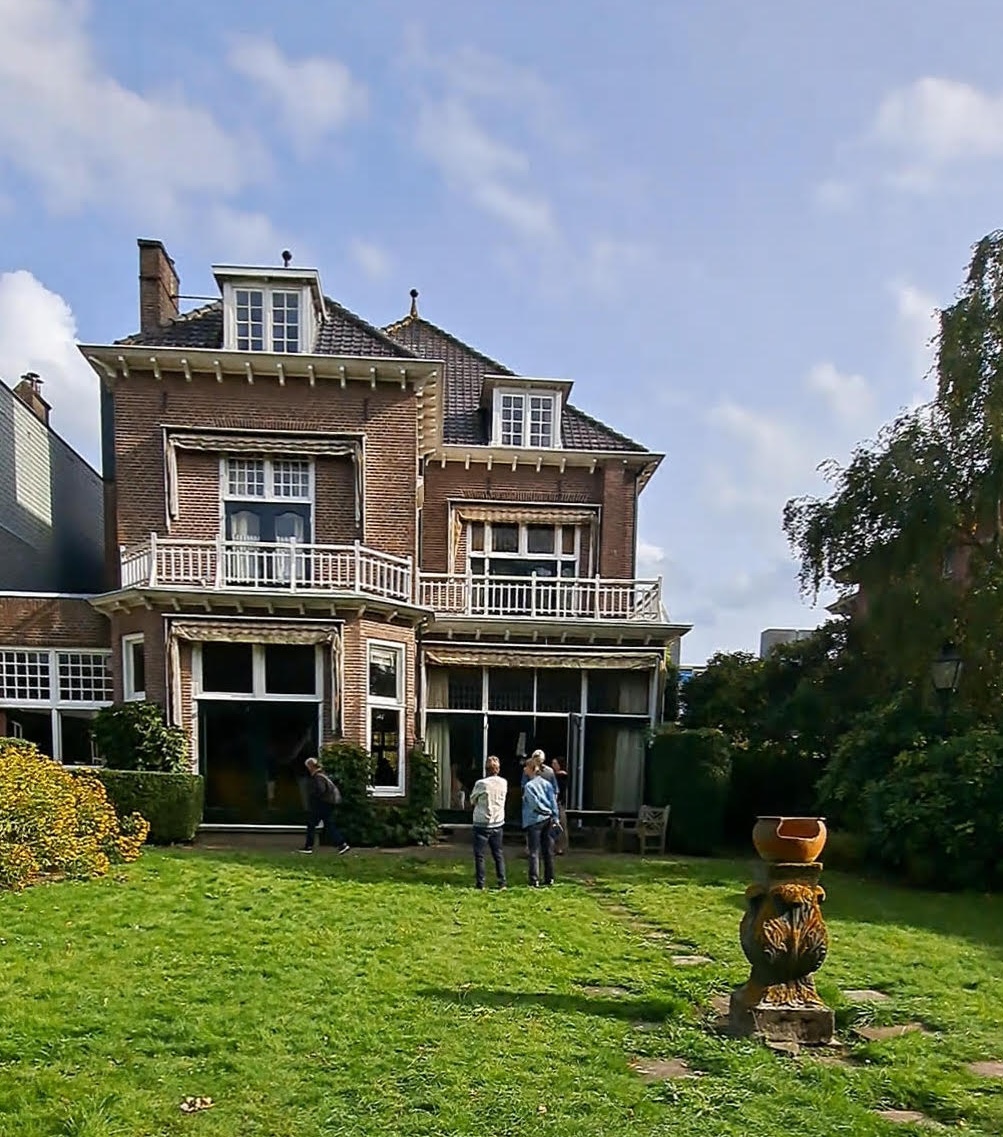
As you will have seen from the various TRC blogs, the TRC is moving to a large urban villa dating from 1909 on the Boerhaavelaan (no. 6), just behind Leiden Central Railway Station. The house used to be owned by the Barge family (Prof. Barge was a Rector Magnificus of Leiden University). It is now the property of the Stichting ('Foundation') Monumentenbezit, a national organisation for the upkeep of monumental buildings in The Netherlands.

The main exhibition rooms downstairs getting a face-lift, Boerhaavelaan 6, Leiden, December 2025. Photograph Willem Vogelsang.The main exhibition rooms downstairs getting a face-lift, Boerhaavelaan 6, Leiden, December 2025. Photograph Willem Vogelsang.

Fig. 1. Ukrainian ghillie suit or kikimora (TRC 2025.1840a).Fig. 1. Ukrainian ghillie suit or kikimora (TRC 2025.1840a).A yeti arrived at the TRC the other day… well not an actual yeti, but something similar, and the potential likeness was commented by several people. Actually what we have been given is a ghillie suit (Fig. 1; TRC 2025.1840a) known locally in Ukraine as a kikimora and with it came an intriguing story.

Ghillie suits

But let's start at the beginning, what exactly is a ghillie suit? Basically it is a long, hooded garment used by various groups, including snipers, watchers, trackers, natural life photographers etc., as a form of camouflage.

The word ghillie derives from the Scottish Gaelic word gille, meaning a boy or man who worked as an outdoor servant, such as a gamekeeper or a tracker on one of the remote Scottish estates, where they are in charge of the deer, other animals, birds and fish. It was not uncommon for them to wear tweed clothing that blended into the heather and wooded countryside.

(Leiden, 15 Nov. 2025) In this blog I take a look at some spectacles from the late 19th to mid-20th century. I myself, like many others, wear glasses on a daily basis, yet after looking at the wide variety of styles and types of glasses in the TRC collection (very much part of 'dress'), I realised how little I know of the development of this accessory over the centuries. So I want to take you along on my brief dive into the history of some types of glasses.

Fig. 1. Pair of spectacles, 1920s, The Netherlands (TRC 2022.3091b).Fig. 1. Pair of spectacles, 1920s, The Netherlands (TRC 2022.3091b).

The first load of more than 400 boxes being moved from Hogewoerd 164 to temporary storage, 7 November 2025.The first load of more than 400 boxes being moved from Hogewoerd 164 to temporary storage, 7 November 2025.(Leiden, 9 Nov. 2025) It's been quite a time at the TRC. A few weeks ago we heard about the discovery of (more) asbestos in various parts of the TRC’s new home at the Boerhaavelaan (known to us as B6). We are not allowed into the whole of the building and garden for all of November, while the asbestos is being removed.

An understandable, but frustrating ban, which has caused problems with respect to the move from Hogewoerd to B6, as well as building and painting requirements in the new building. Not to mention the fact we were supposed to be out of our current building by the end of December.

Fortunately, the owner of the Hogewoerd building has just said we can stay there until mid-January, which will make a considerable difference. All being well (fingers and toes crossed) the work on the internal needs of our new home will start on the 5th December and we can officially move in by mid-January.

Tetouan kaftan, displayed in the Bab Oqla Museum, Tetouan.Tetouan kaftan, displayed in the Bab Oqla Museum, Tetouan.(Leiden, 5 Nov. 2025) A current highlight from the TRC Collection (TRC 2023.0531)) is this Moroccan kaftan, dating from the late 19th or early 20th century. It is made out of Syrian satin silk and beautifully embroidered with gold and silver threads.

This type of kaftan used to be worn by women in the Tétouan region (northeastern Morocco) and is thus often referred to as a “Tétouan kaftan” (Caftan de Tétouan).

This style, especially with its large sleeves, is rarely worn by younger generations. It may originally have been worn together with other items of clothing, such as an embroidered bolero that was cinched at the waist with a belt.

(Leiden, 2 Nov. 2025) For the last year or so I have been muttering about having a textile garden at the TRC’s new home on the Boerhaavelaan (B6), Leiden. This is not a new idea and various museums, botanical gardens and local projects throughout Europe have set up dye plant gardens, such as that at the Palazzo Madama (Turin, Italy), Botanical Gardens, Cambridge, England , as well as the Amsterdam Colour Gardens. The main thing that was needed was a suitable garden and B6 gives us that.

Boerhaavelaan 6, from the garden.Boerhaavelaan 6, from the garden.However, we do not just want a 'mere' dye garden, instead we want to extend it to cover the world of textiles, including fibres, dyes and related items such as seeds used for decoration or nuts used for buttons. Not all the plants can easily be grown in Leiden (some require desert conditions, which rainy Leiden certainly does not have!), nor do we have a greenhouse (yet) where such plants could be grown. However, there are many plants we can start with and gradually expand as we get more experience over the next few years.

Another difference is that we do not want just pretty plants all in a row (to paraphrase an English nursery rhyme [Mary Mary Quite Contrary]), we want to use them. Such as having a patch of flax as part of the Crafts Council Nederlands Project, 1m2 flax, here in the Netherlands. There is also a group on the Boerhaavelaan who are very keen natural dyers, so perhaps we can grow a range of plants that they can use (think onions, weld, madder, etc). Then there are various schools in the neighbourhood, so perhaps setting up a dye plant project with them as part of sustainability? The plan is also to have the garden open to the general public during the office hours of the TRC.

Zoek in TRC website

Contact

Boerhaavelaan 6
2334 EN Leiden.
Tel. +31 (0)6 28830428  
office@trcleiden.org

Het TRC is elke dag geopend tussen 10.00 en 15.00 uur.

facebook 2015 logo detail


instagram vernieuwt uiterlijk en logo


Bankrekening

NL39 INGB 0002 9823 59, t.a.v. Stichting Textile Research Centre.

Financiële giften

Het TRC is afhankelijk van project-financiering en privé-donaties. Al ons werk wordt verricht door vrijwilligers. Ter ondersteuning van de vele activiteiten van het TRC vragen wij U daarom om financiële steun:

Giften kunt U overmaken op bankrekeningnummer (IBAN) NL39 INGB 000 298 2359, t.n.v. Stichting Textile Research Centre. BIC code is: INGBNL2A

U kunt ook, heel simpel, indien u een iDEAL app heeft, de iDEAL-knop hieronder gebruiken en door een bepaald bedrag in te vullen: 


Omdat het TRC officieel is erkend als een Algemeen Nut Beogende Instelling (ANBI), en daarbij ook nog als een Culturele Instelling, zijn particuliere giften voor 125% aftrekbaar van de belasting, en voor bedrijven zelfs voor 150%. Voor meer informatie, klik hier