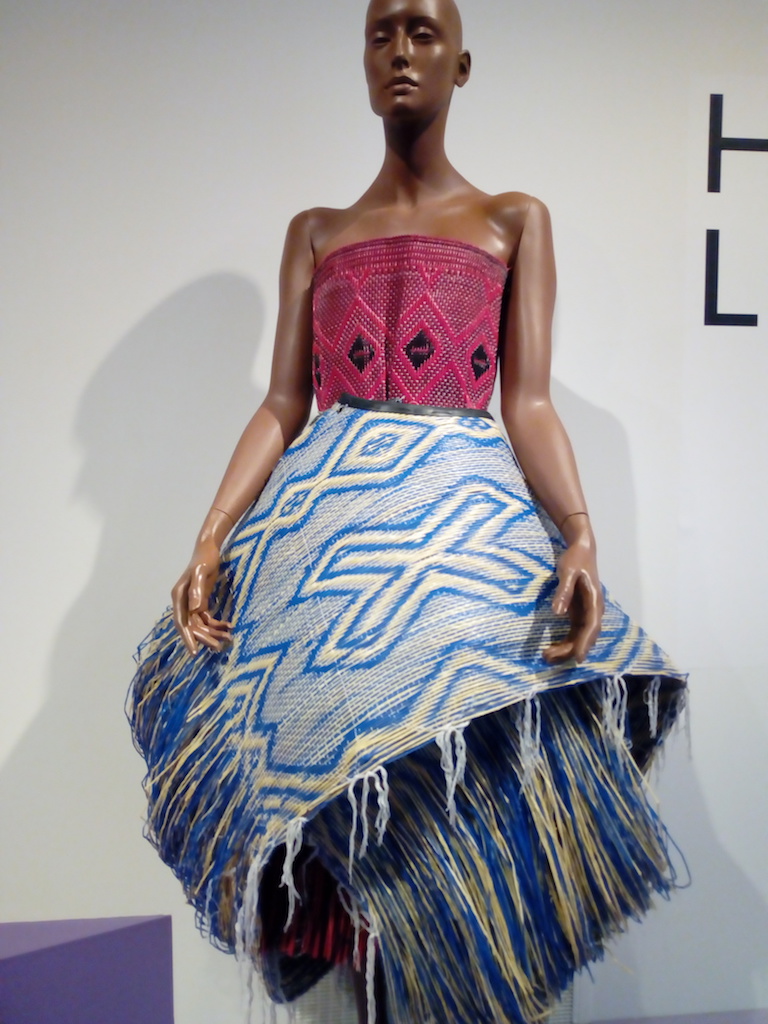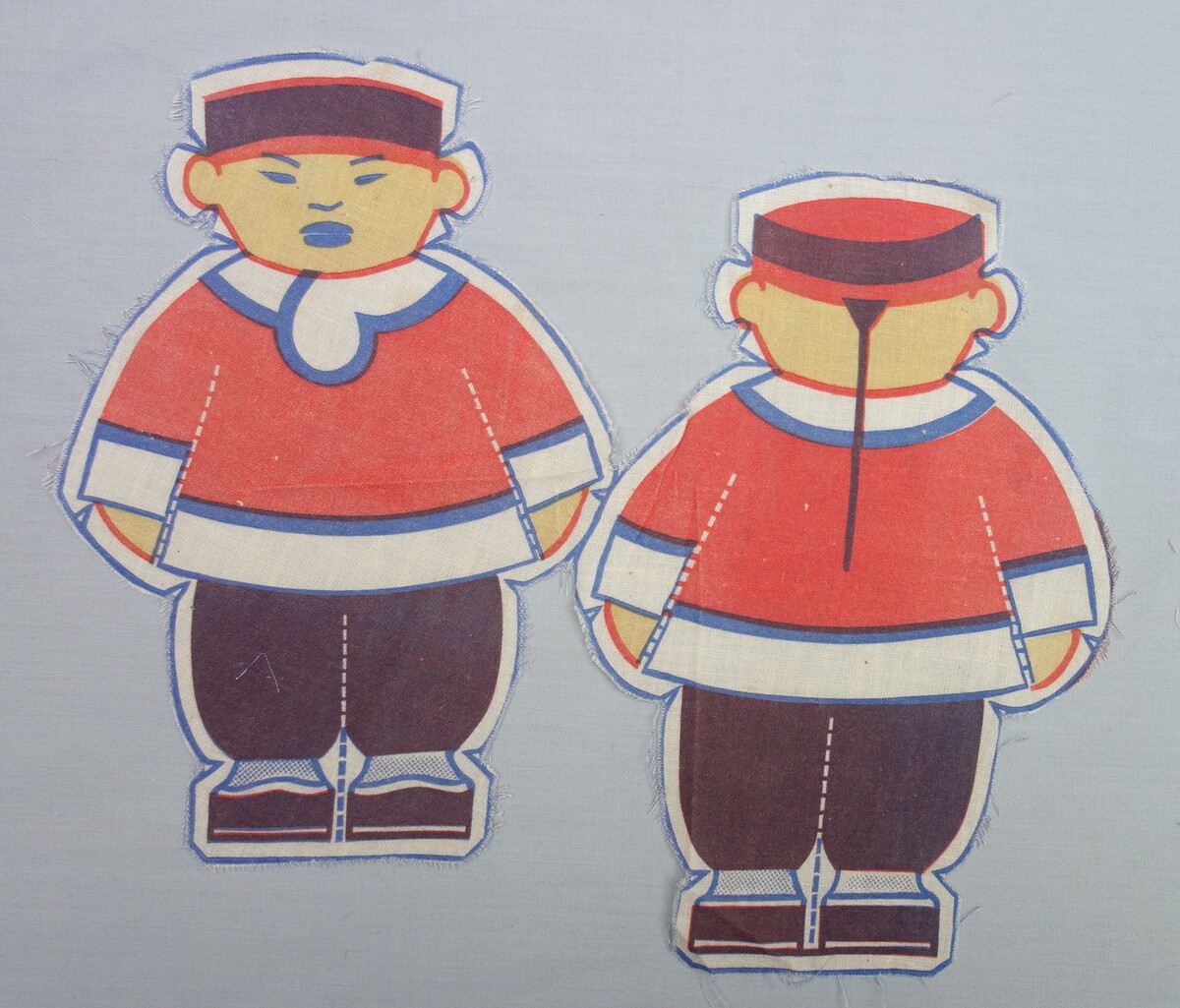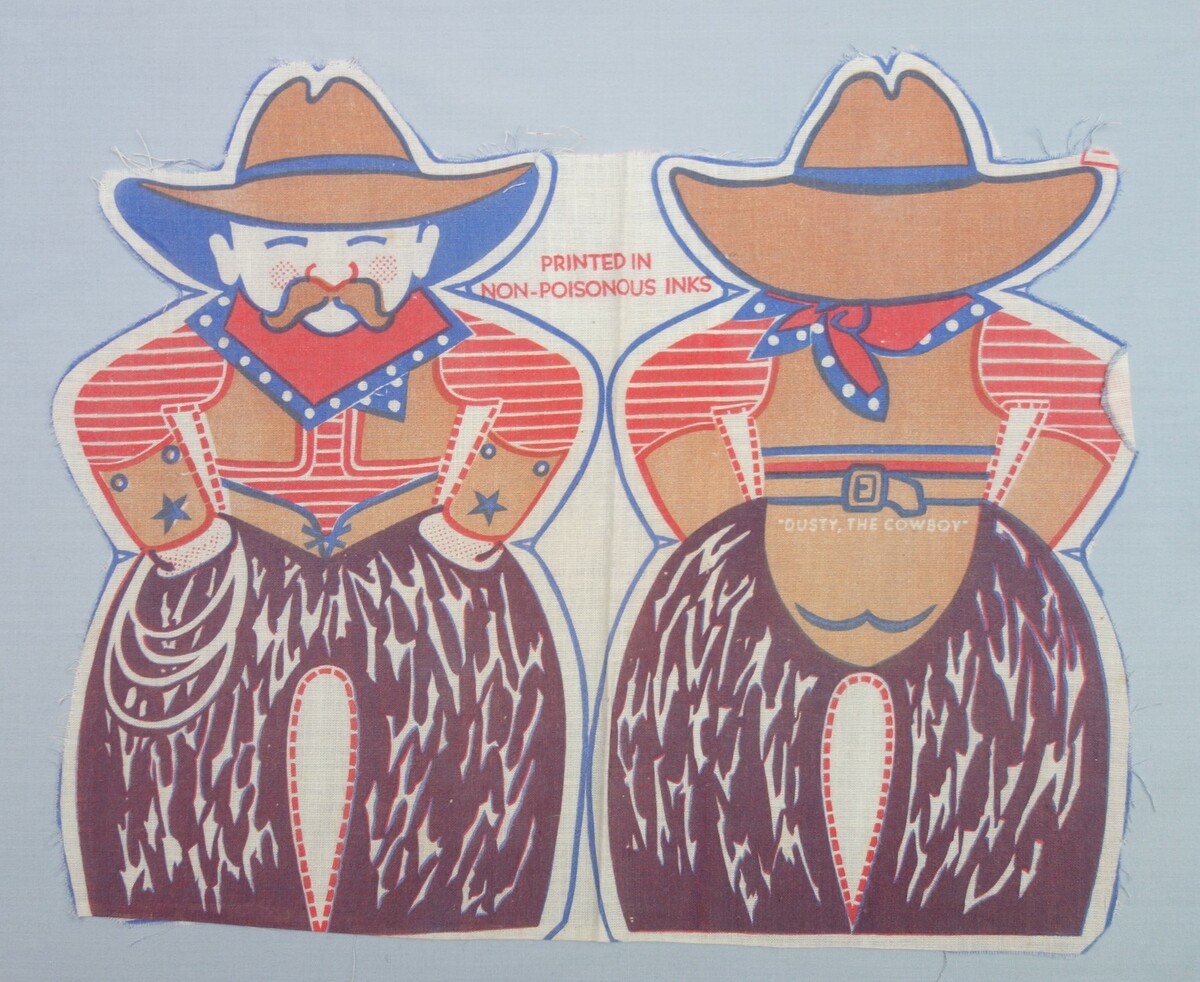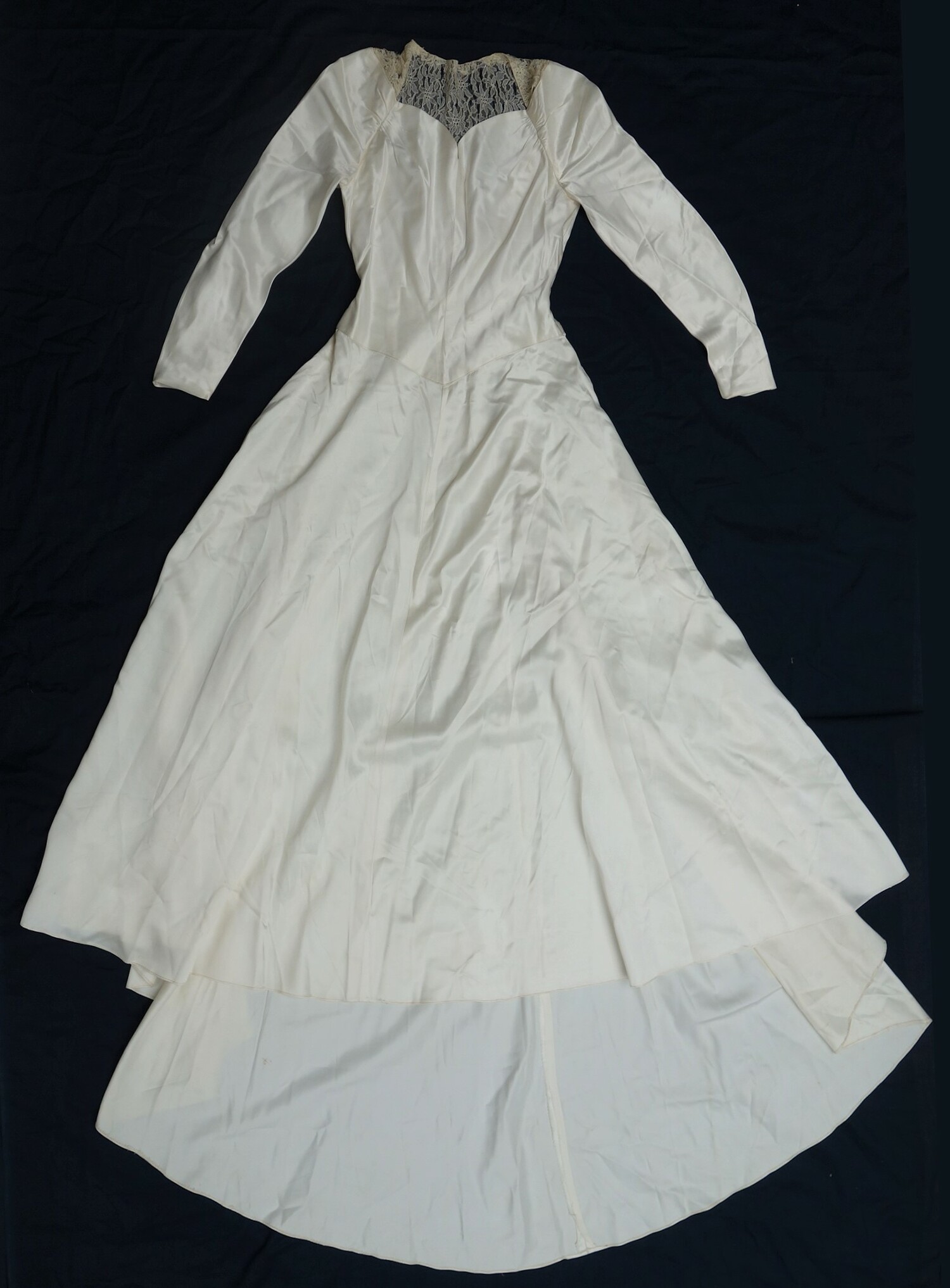
• F1
  • F4
  • F3
  • F2

On Monday, 13 April  2020, TRC volunteer and TRC Facebook guardian, Shelley Anderson wrote:

The lovely poppies printed on cotton published on 12 April on the TRC homepage, reminded me of a time when embroidered flowers were considered as much a science as a craft. In the eighteenth century there was a fashion for needle painting. Skilled embroiderers would meticulously reproduce an oil painting using embroidery and shaded silk threads. And one of the most skillful and celebrated needle painters was a woman named Mary Delany (1700-1788), famous for her botanical needlework.

Example of needlework by Mary Delany.Example of needlework by Mary Delany.

On Monday, 13 April 2020, the two co-curators of the TRC American Quilts exhibition, Beverley Bennett and Susan Cave, wrote:

When a quilt arrives at the TRC it usually comes with some provenance. The Starburst quilt (TRC 2018.3119) arrived labelled “pre-Civil War”. When we examined it we could see the brown calicoes from the 1840’s and the soft early pinks of the 1850’s. From a distance it looked amazing, but on closer inspection it told a different tale!

Starburst quilt, USA , c. 1860's (TRC 2018.3119).Starburst quilt, USA , c. 1860's (TRC 2018.3119).

Yes, the bulk of the quilt was early, the pattern was a common one of the time, but one of the brown fabrics was too bright, too uniform and too ‘new’. Serendipitously, we even had a blue version of the exact fabric in our reference section, dated 1988! Someone had found the old quilt, then mended it with a fabric that vaguely looked like the original.

Ms Fatima Abbadi is an enthusiastic user and follower of the TRC. She is teaching Middle Eastern embroidery to Arab women in Capelle a/d IJssel, near Rotterdam (see the TRC blog). She wrote on 12 April 2020:

On the 16th of March the Dutch government announced a total lockdown of all public activities, schools and social gatherings due to the Coronavirus outbreak. People were confined in their homes with no possibility of going out, except for essential necessities in order to keep people safe and away from any possible contagion.

This strange feeling of isolation and exclusion from the surrounding environment made me focus more on my various artistic projects, such as embroidery and photography and on how I could help the surrounding communities.

In order to celebrate Easter in these very strange times we are putting some special embroidery charts online. All of these designs date from the mid-20th century or earlier and come from various parts of Palestine. Please feel free to use them. Enjoy!

The ‘airy fairy’ (iruq al-nafnuf), ‘rose bud’ or ‘orange blossom’ motif from the Beit Dajan region of southern Palestine.The ‘airy fairy’ (iruq al-nafnuf), ‘rose bud’ or ‘orange blossom’ motif from the Beit Dajan region of southern Palestine.

The TRC collection includes a small number of cloths and garments made of gingham cloth. When talking about gingham, some people conjure up images of Dorothy in The Wizard of Oz or perhaps typical ‘country’ style cloth associated with both Europeans and Americans. There are others who talk about the gingham kit of Manchester United (2012-2013). By the way, not all United fans were impressed: "Is it a table cloth?" In Holland it is often called Brabants Bont and often associated with table cloths and tea towels. Personally I think of English school uniforms and, in particular, summer dress versions from my youth.

Young child's shorts made of gingham cloth, The Netherlands, 1940's (TRC 2010.0576).Young child's shorts made of gingham cloth, The Netherlands, 1940's (TRC 2010.0576).

But what exactly is gingham?

Classic 20th century gingham is generally defined as being an even, tabby-weave material in cotton with woven checks that are of an equal size. These checks are normally produced using dyed yarns in only two colours, white with red, blue, green, yellow, purple, black, etc. Some writers also insist that the cloth has to be identical on both sides.

But the story of gingham is more complicated than the above definition indicates. It would appear, for example, that the originally gingham was not necessarily made of cotton, nor was it checked. This quintessential American and European cloth was not even Western in origin.

The word gingham derives from the Malay word genggang, meaning a striped or checked material, probably in either silk or cotton. Via European companies such as the Dutch Vereenigde Oostindische Compagnie and the British East India Company, this type of cloth was brought to Europe and adapted to local traditions. Many early versions of European gingham were striped, but made of linen.

On Tuesday, 7 April 2020, Susan Cave and Beverley Bennett wrote:

One of the TRC’s oldest and most beautiful quilts (TRC 2019.2402) was made in the years before the American Civil War (1861-1865). Many people have asked us if it was made by slaves. The answer is probably yes, but under the guidance of the Mistress of the house. How do we know this?

A so-called Flowers and Berries quilt from the USA, c. 1850 (TRC 2019.2402).A so-called Flowers and Berries quilt from the USA, c. 1850 (TRC 2019.2402).

There is a large body of supporting evidence, public records, first-hand accounts and the actual object itself. The quilt had to have been made before 1865 (the end of the American Civil War and the abolition of slavery) and the date of ours is c. 1850. Slaves made quilts for their own beds, usually out of scraps, and few have survived the rigours of the years, but there are reports of much quilting on frames going on in the grand homes of the times.

On Saturday 4 April, TRC volunteer Susan Cave writes:

The impressions we have of Southern Appalachia are often those of making moonshine and of people shooting their neighbours. Folklore and misconception most of it, but there are definitely ‘mountain people’ in those hills and while the men may have been handy with their shotguns, the women were certainly handy with their needles making ‘mountain quilts’. The TRC Chinese Coin quilt (TRC 2019.2229) has a story that follows a misconception, misrepresentation, folklore, call it what you like….

Chinese Coin quilt from North Carolina, USA, c. 1900 (TRC 2019.2229).Chinese Coin quilt from North Carolina, USA, c. 1900 (TRC 2019.2229).

Zoek in TRC website

Contact

Boerhaavelaan 6
2334 EN Leiden.
Tel. +31 (0)71 5134144 (kantooruren)  
office@trcleiden.org

Het TRC is elke dag geopend tussen 10.00 en 15.00 uur.

facebook 2015 logo detail


instagram vernieuwt uiterlijk en logo


Bankrekening

NL39 INGB 0002 9823 59, t.a.v. Stichting Textile Research Centre.

Financiële giften

Het TRC is afhankelijk van project-financiering en privé-donaties. Al ons werk wordt verricht door vrijwilligers. Ter ondersteuning van de vele activiteiten van het TRC vragen wij U daarom om financiële steun:

Giften kunt U overmaken op bankrekeningnummer (IBAN) NL39 INGB 000 298 2359, t.n.v. Stichting Textile Research Centre. BIC code is: INGBNL2A

U kunt ook, heel simpel, indien u een iDEAL app heeft, de iDEAL-knop hieronder gebruiken en door een bepaald bedrag in te vullen: 


Omdat het TRC officieel is erkend als een Algemeen Nut Beogende Instelling (ANBI), en daarbij ook nog als een Culturele Instelling, zijn particuliere giften voor 125% aftrekbaar van de belasting, en voor bedrijven zelfs voor 150%. Voor meer informatie, klik hier