Some TRC dates for your diary!
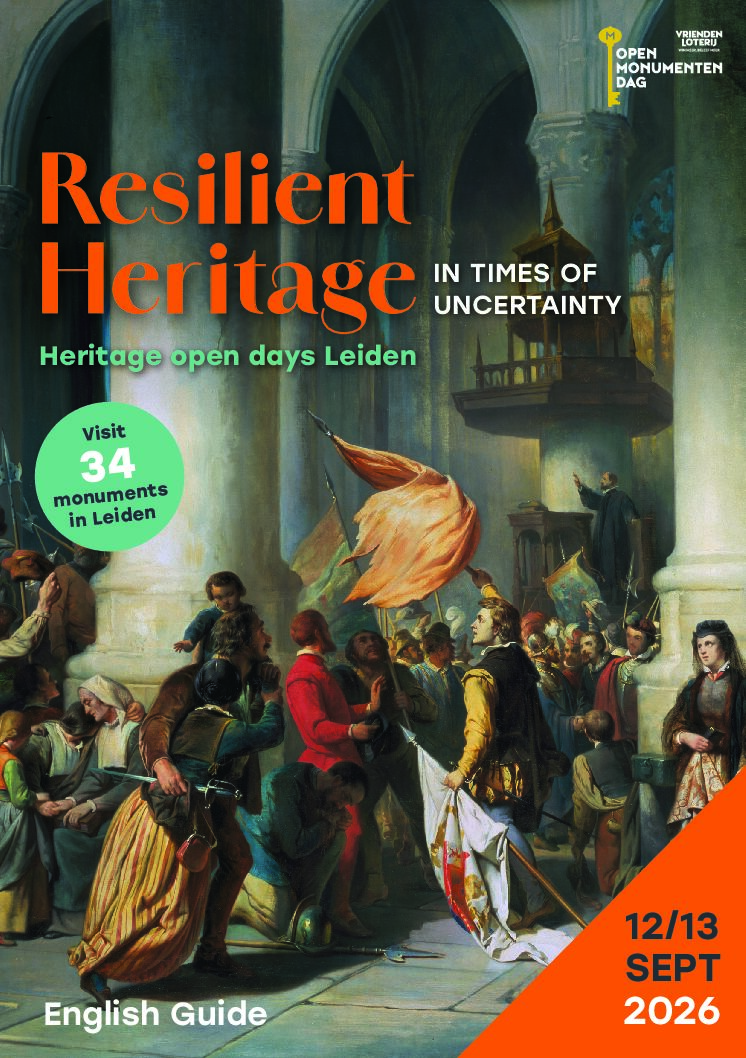 Open Monumentendagen Leiden 12-13 September 2026People are back from holiday and things are on the move again at the TRC. Marlies, who runs the TRC workshops, etc., is adding more and more events to the TRC Agenda. There are going to be some very interesting and inspirational workshops.
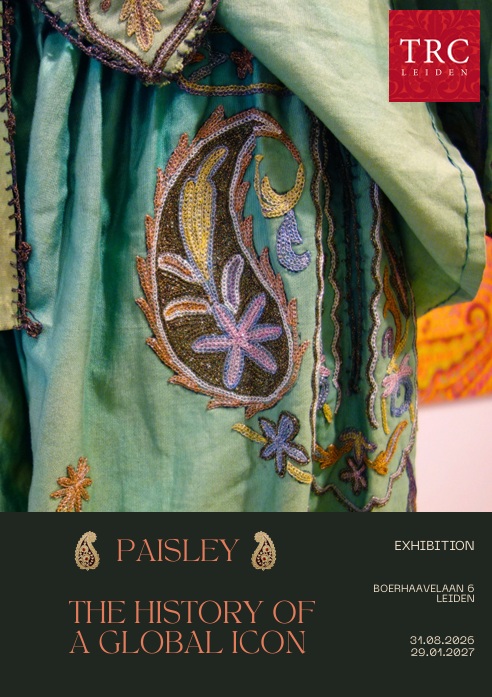
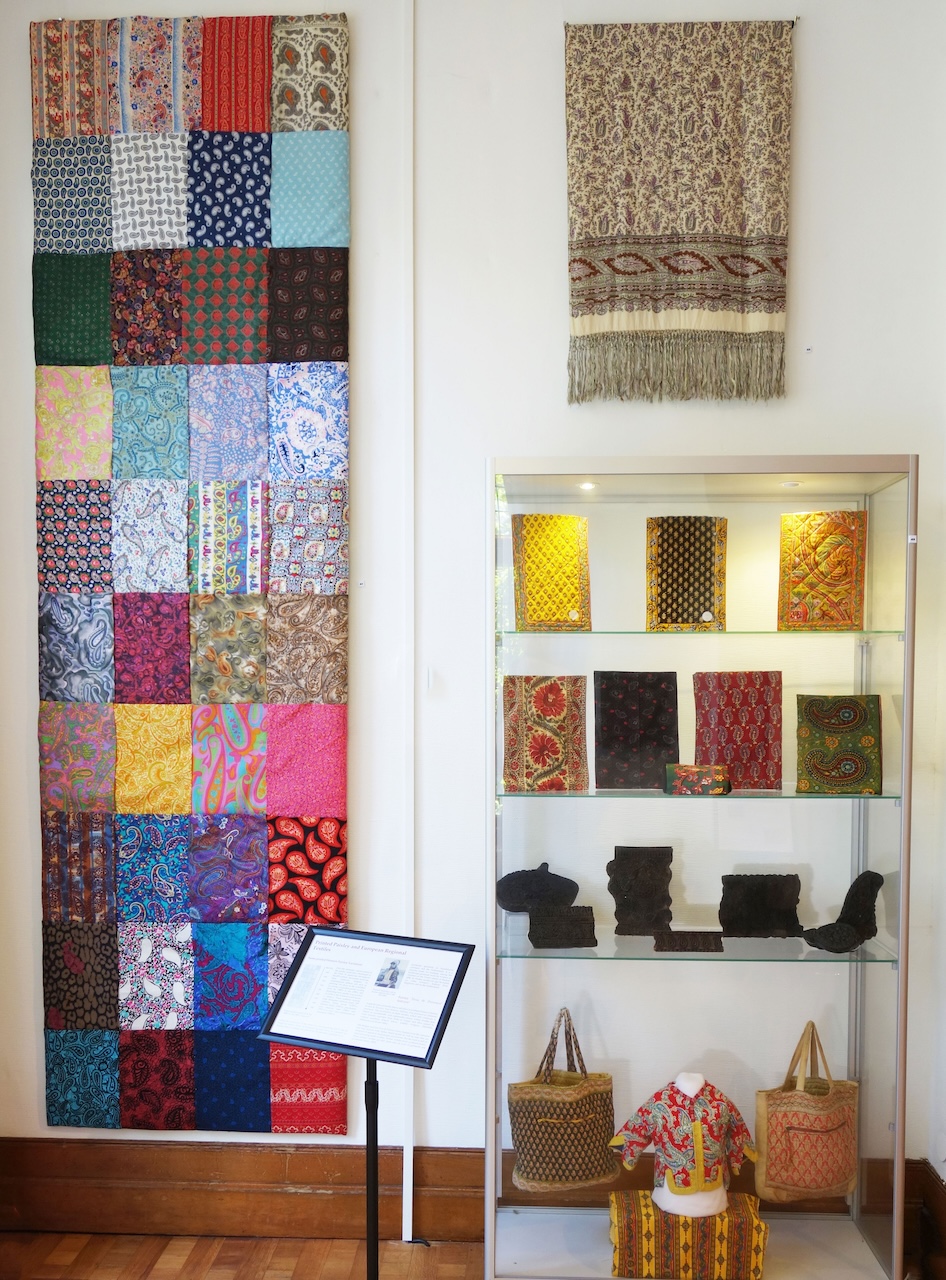
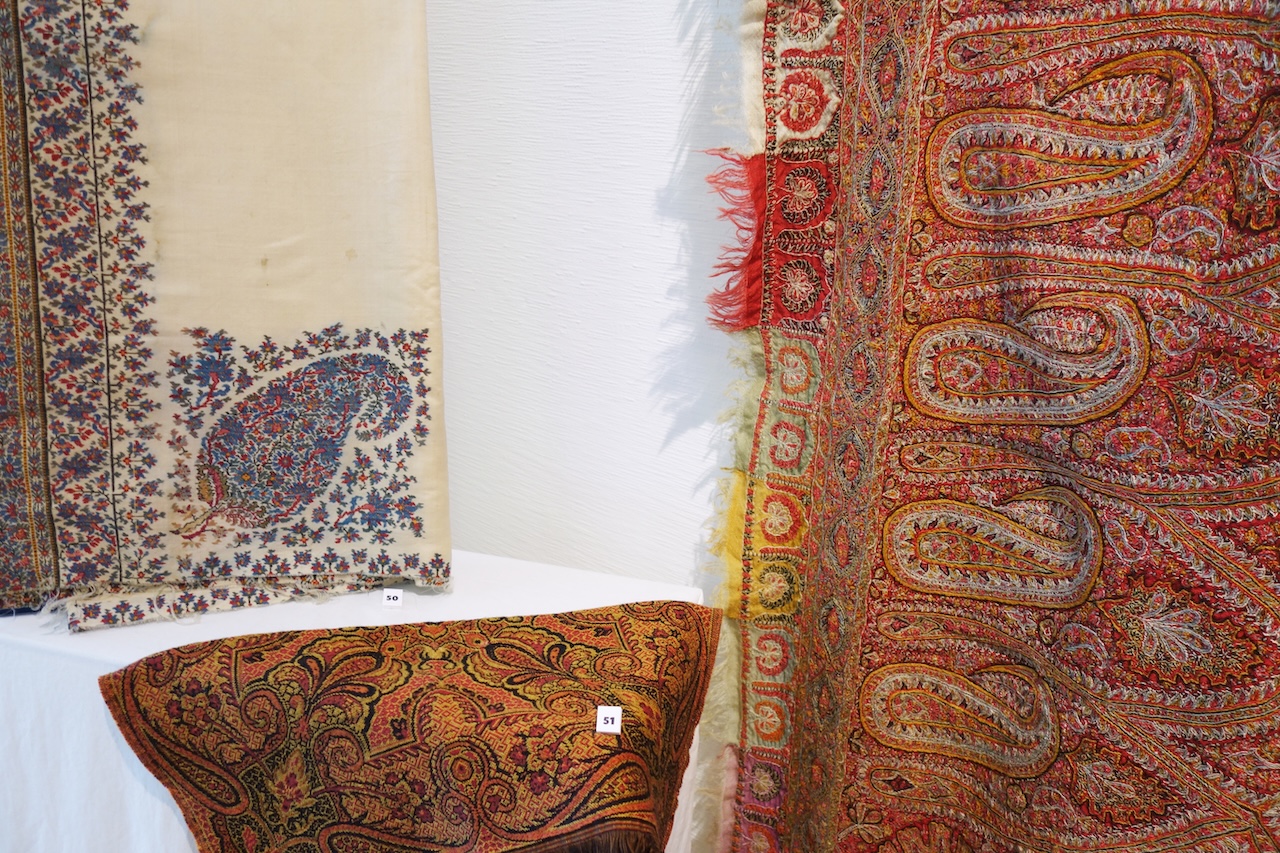
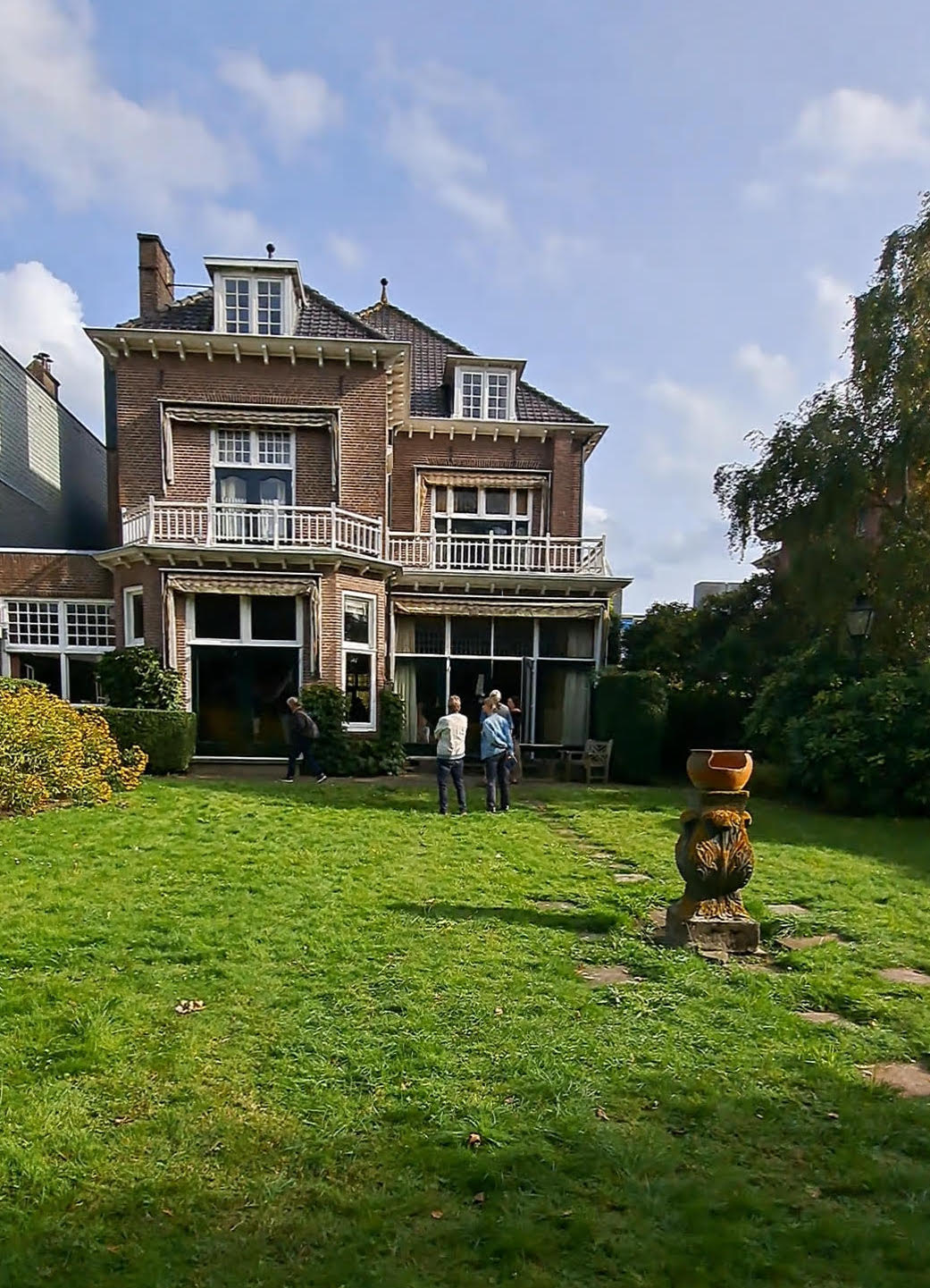
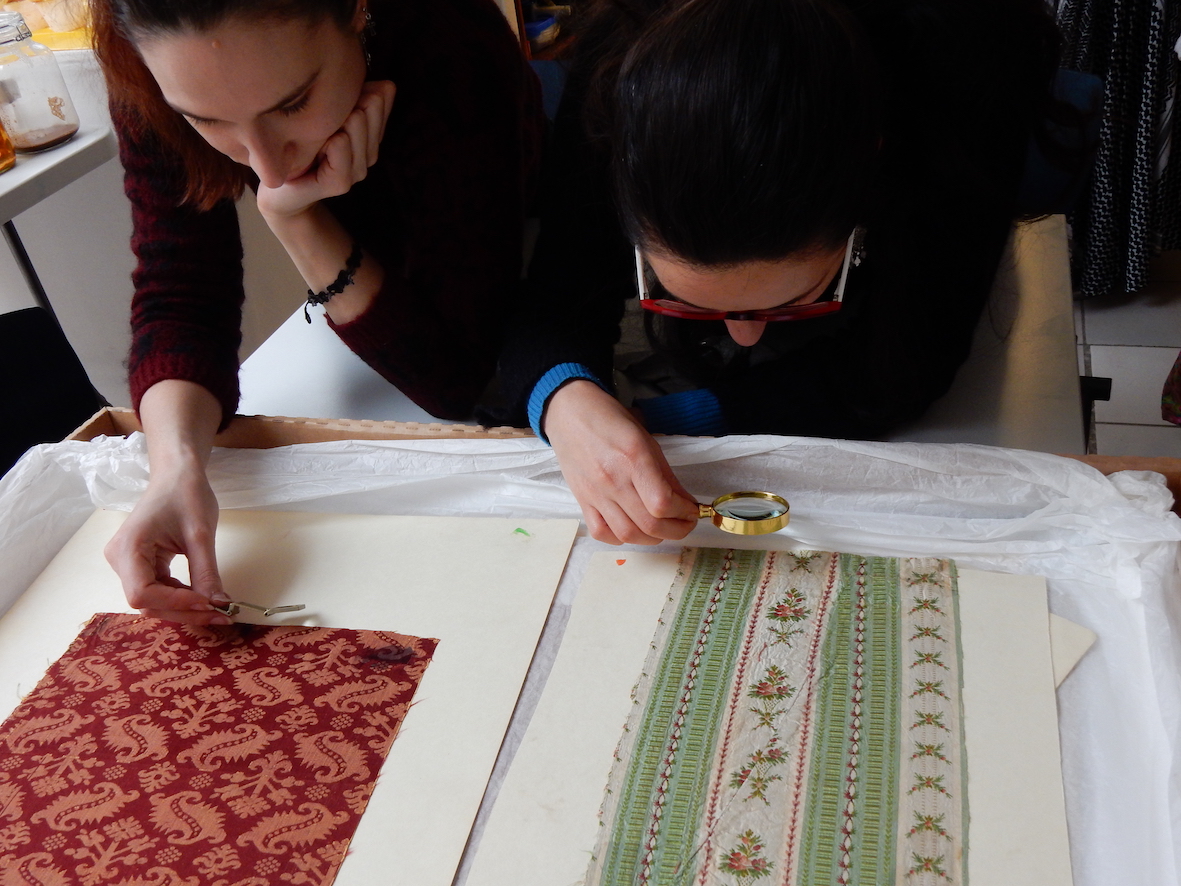
But I would like to draw attention to two specific items! The first is Open Monumentendagen, a national event whereby monumental buildings throughout the Netherlands are open to the public. The TRC and Boerhaavelaan 6 were open for the first time during Open Monumentendagen in September in 2025 and we will be open again in a few weeks time! The weekend is 12-13 September. On the Saturday we will be open from 12.00 until 17.00, while on Sunday it is from 10.00 until 17.00. You would be more than welcome to come and see the building, hear about its history, as well as see the TRC’s latest exhibition that is about the that well-known global icon, the paisley motif.
The other event has just been finalized and it is very special. From the 20th September the TRC is presenting a mini-exhibition about ‘Textiles from Mecca’. It will be a rare opportunity to see woven and embroidered textiles associated with the Kiswah, the silk cover of the Kaaba, in Mecca (Saudi Arabia) and one of the most holy places within the Islamic World. There will also be on display some textiles that are placed around the tomb of the Prophet Mohammed in the Al-Masjid an-Nabawi, Medinah, as well as photographs of the textiles in situ, etc.
The exhibition is being made with the help of several private collectors, as well as the local Turkish community here in Leiden. We have come together with the aim of raising funds to purchase a storage unit in the TRC’s proposed annex that will be used to house the TRC’s extensive Ottoman and regional Turkish textile and clothing collection. Please note that this mini-exhibition is only on view for one month, and we are asking for a voluntary donation of a minimum of €5 per person that will go towards the annex fund!