


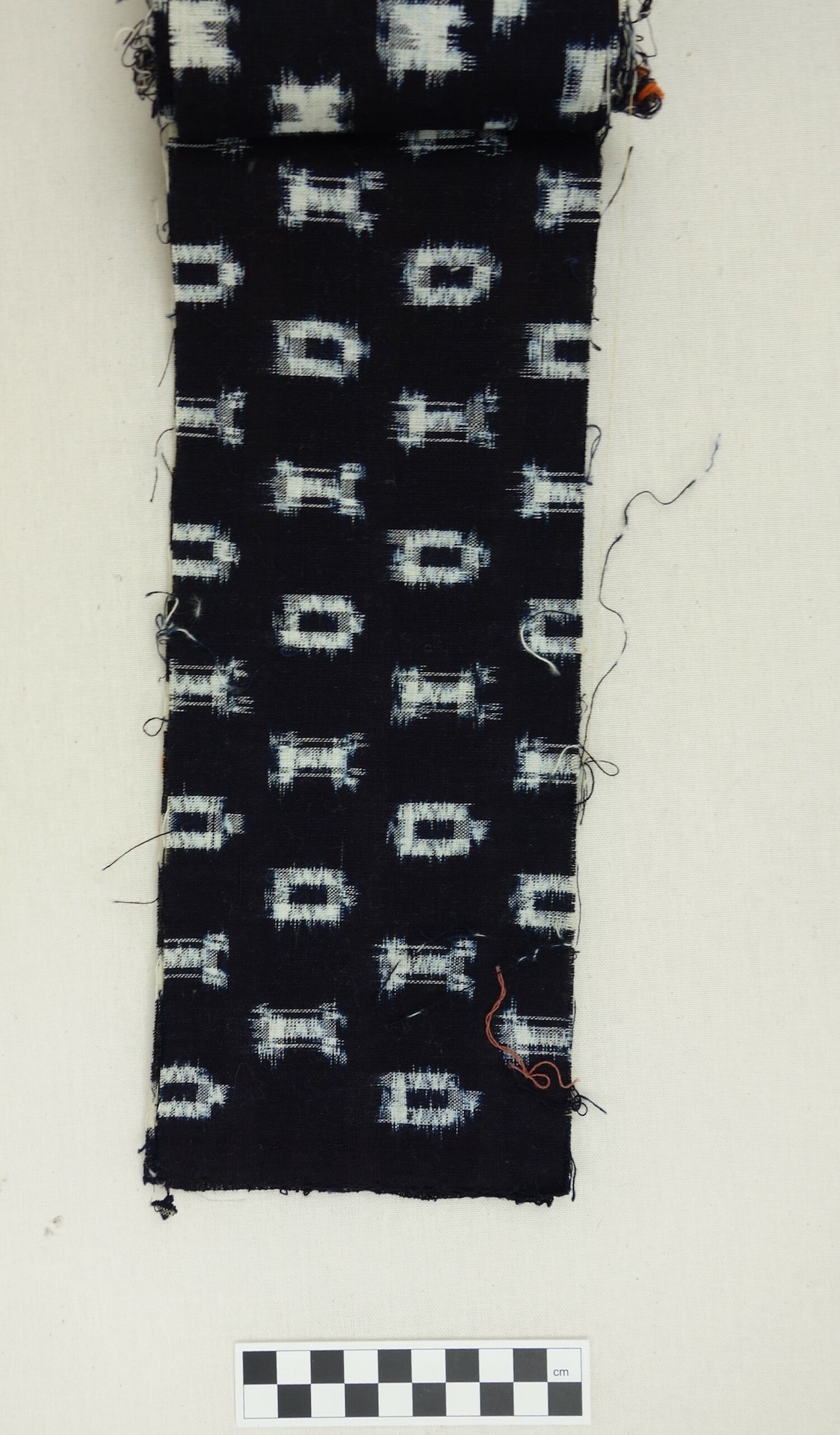
 Fig. 1. Kasuri cloth sample (TRC 2017.1478-23). Japan, 20th century.This April, I began my research fellowship at the TRC Leiden as the first junior fellow in the TRC Fellowship Programme, sponsored by the Gieskes-Strijbis Foundation, Amsterdam. My project, Thread, Dye, and Pattern: A Historical Study of Japanese Kasuri Techniques in the TRC Leiden Ikat Cloth Sample Collection (Pepin Collection), focuses on the extraordinary technical and artistic complexity of Japanese kasuri textiles preserved in the TRC collection.
Japanese kasuri — a form of ikat in which yarns are resist-dyed before weaving — is one of those textile traditions that becomes more fascinating the closer one looks. At first glance, the fabrics may appear deceptively simple: indigo blues, geometric forms, softened edges (compare TRC 2017.1478-23; Fig. 1). Yet under magnification, entire worlds of technical decision-making emerge. Tiny variations in binding, dye penetration, thread tension, and weave alignment all contribute to the final pattern.
During these first months, much of my work has focused on developing methods for closely analysing the kasuri samples in the TRC collection. Through this research, I aim to better understand which dyeing and weaving techniques are represented in the samples, how yarn structure and resist methods interact to create patterns, and whether particular textiles can be linked to regional Japanese kasuri traditions such as Kurume kasuri from Fukuoka, Iyo kasuri from Ehime, or Ryukyu kasuri from Okinawa.
A closer look at the weave
My analysis usually begins with an overall visual reading. I record dominant colours, pattern structure, the degree of blur or sharpness in the design, symmetry, and the condition of the textile.
From there, the examination becomes more technical. Under the microscope, I look at fibre type, yarn thickness, weave structure, and dye penetration. Is the pattern created through warp ikat, weft ikat, or both? How precisely were the yarns aligned during weaving? How deeply did the dye penetrate the threads? Even a simple linen tester reveals much more than one might initially expect (Fig. 2).
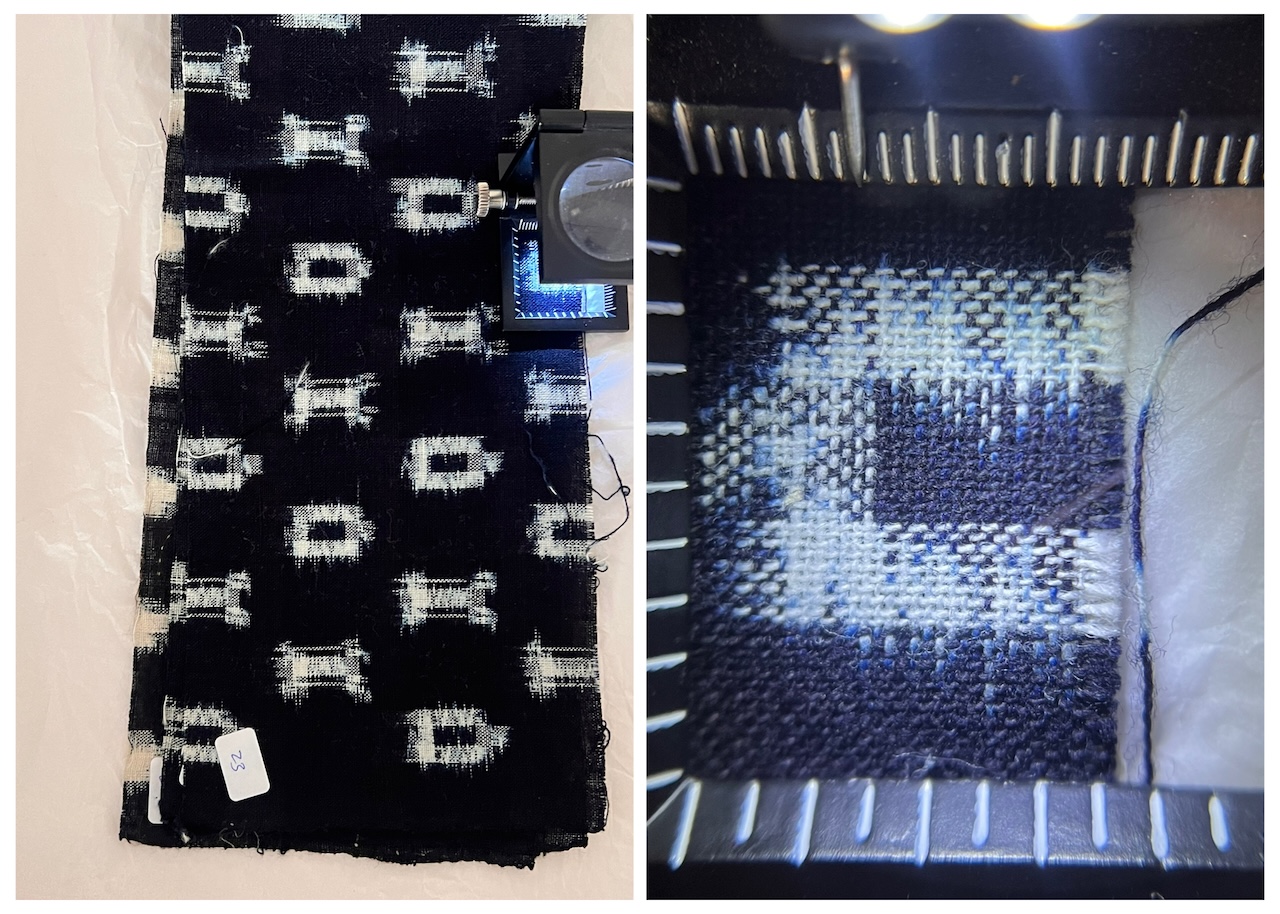 Fig. 2. Examining a kasuri cloth sample (TRC 2017.1478-23) using a linen tester.
The digital microscopes have been especially useful for documenting these features. Both the handheld USB Dino-Lite microscope and a mounted Dino-Lite system revealed further details of the yarn structure and dye transitions of the examined sample (see Fig. 3.).
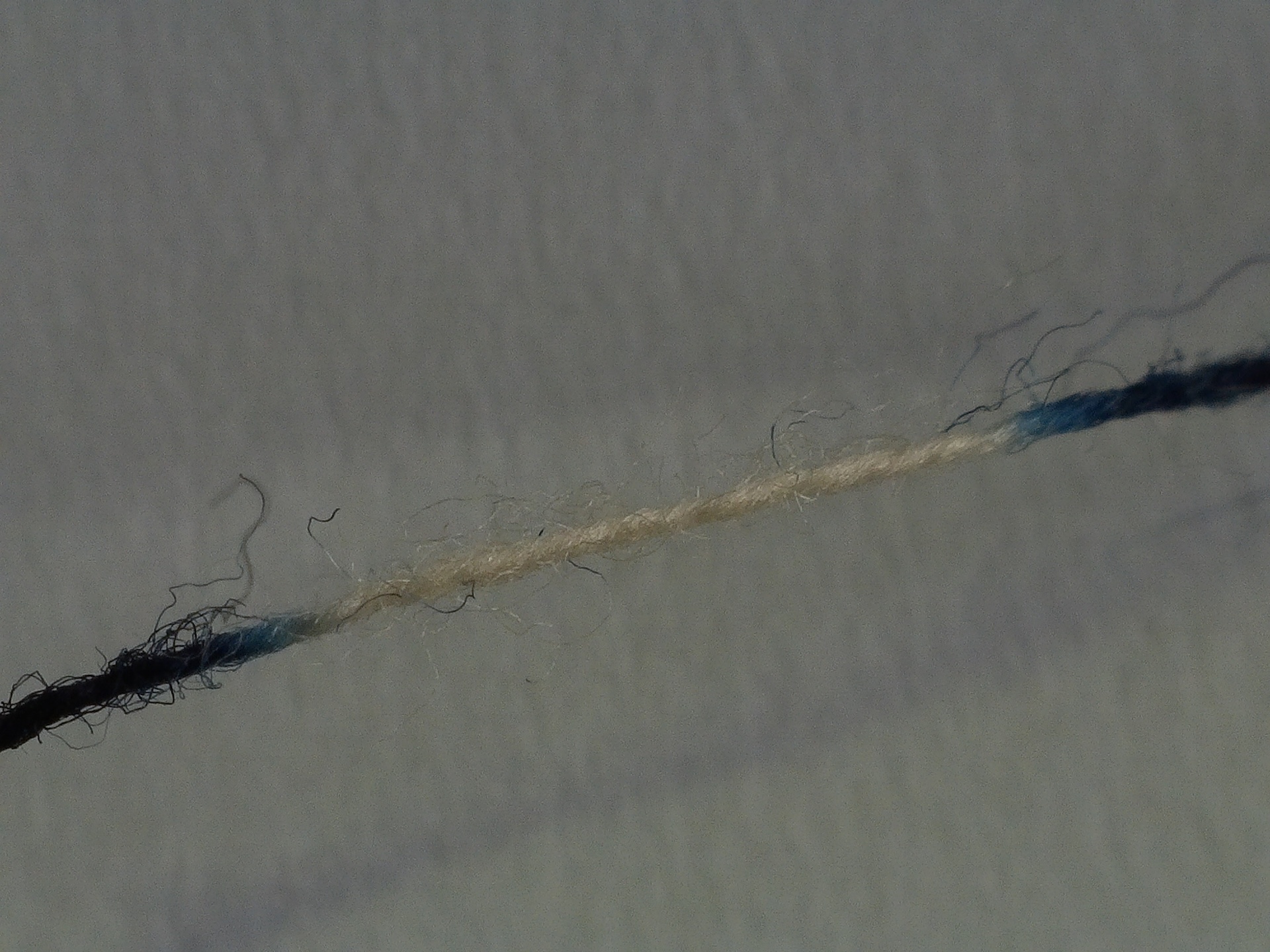 Fig. 3. Fibre and yarn observation using mounted Dino-Lite system (TRC 2017.1478-23).
One particularly interesting aspect is the blurred edge effect that gives kasuri its recognisable visual softness (compare TRC 2017.1467; Fig. 4).
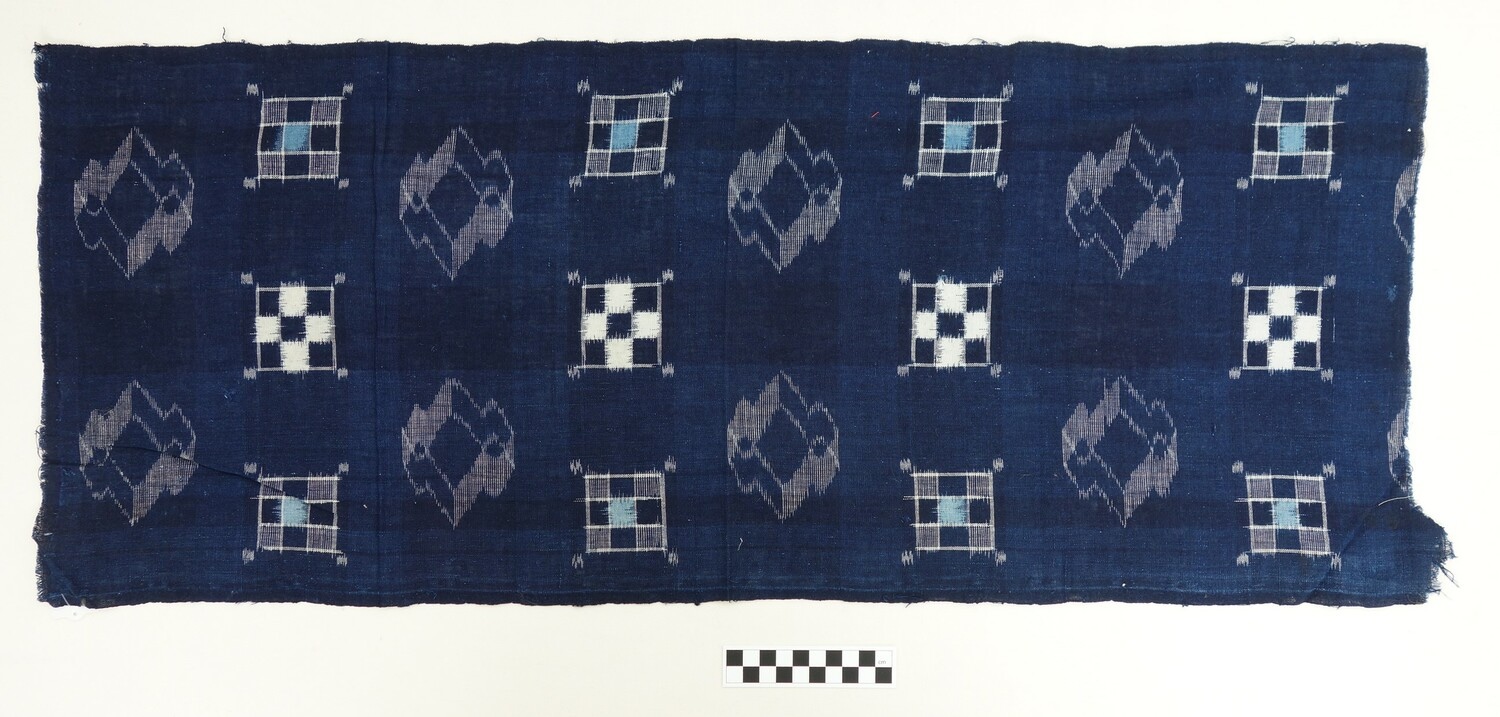 Fig. 4. Kasuri cloth sample (TRC 2017.1467). Japan, 20th century.
Under magnification, these transitions become highly visible. What appears from a distance as a clean geometric form is actually built from subtly staggered dyed yarns. Small irregularities are not flaws, but traces of the hand processes — tying, dyeing, and weaving — that shaped the textile (compare TRC 2017.1478-23; Figs. 5. and 6).
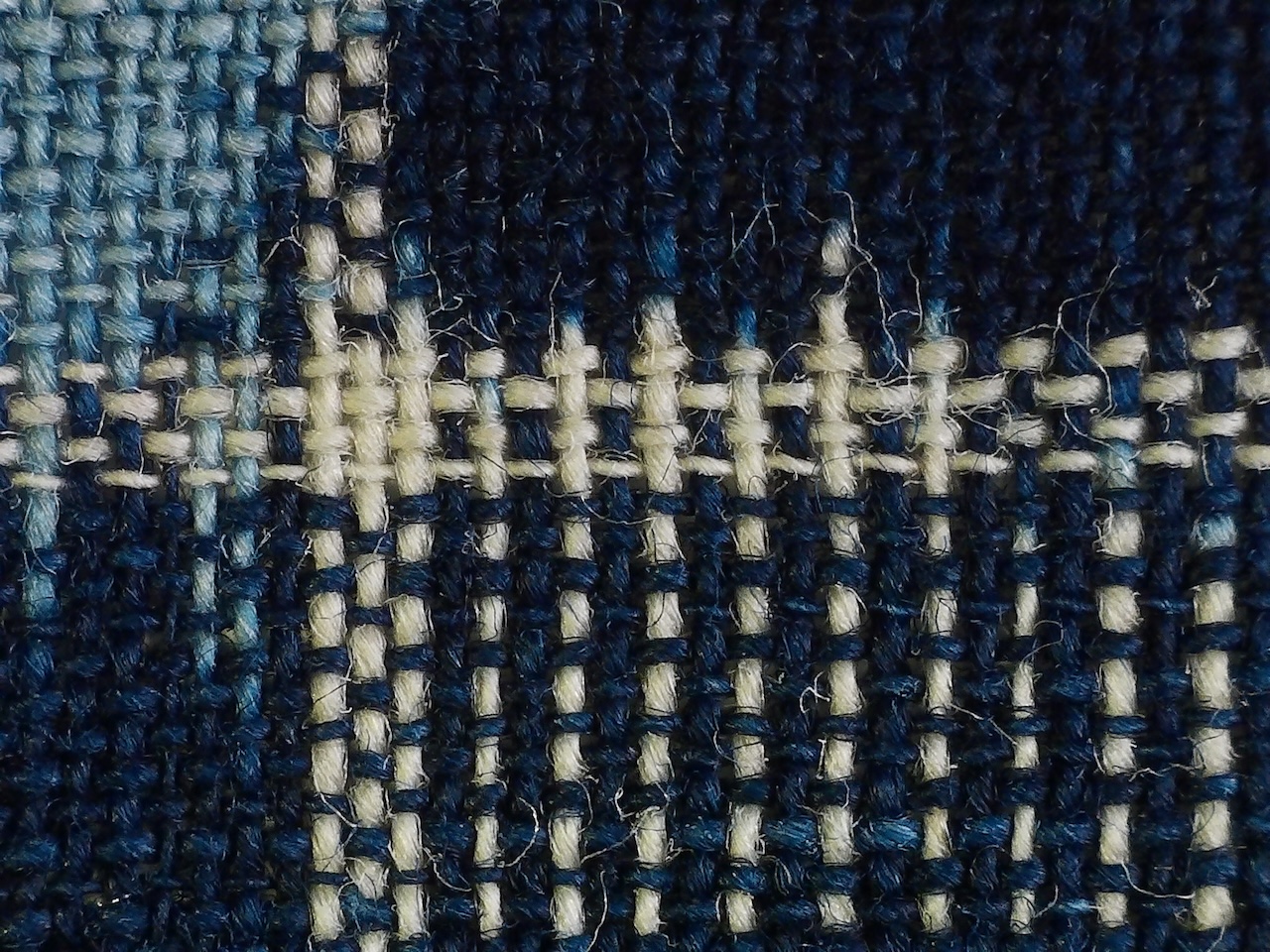 Fig. 5. Microscopic examination of the kasuri cloth sample TRC 2017.1478-23 with Dino-Lite digital microscope mounted on a stand.
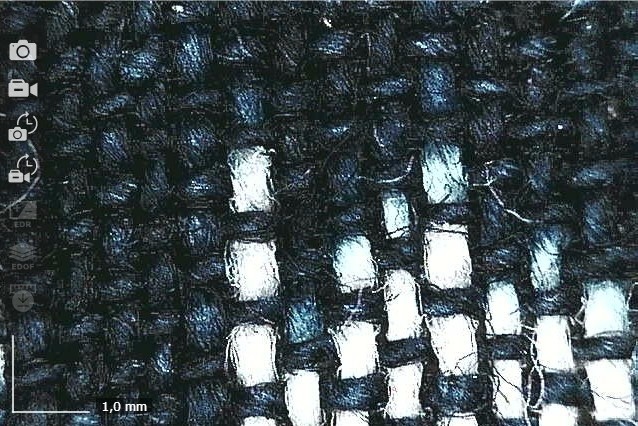 Fig. 6. Close examination and highly detailed image of the kasuri cloth sample TRC 2017.1478-23 with Dino-Lite USB Digital microscope.
Comparative analysis has also become an exciting part of the research. Some of the TRC samples already show similarities to textiles in other museum collections, including examples from the extensive kasuri collection in the Wereldmuseum, also in Leiden. By comparing details such as pattern arrangement, yarn handling, and indigo tones, I hope to gradually build a clearer picture of how these textiles relate to regional Japanese kasuri traditions.
Indigo in the Dutch Climate
Alongside the collection research, the fellowship also includes an experimental component: growing Japanese indigo (Persicaria tinctoria) in the Dutch climate.
Historically, indigo was one of the most important dyes used in Japanese textiles, including many kasuri fabrics. To understand indigo properly, it helps to look not just at finished textiles, but also at the plant behind them. This spring, I first grew approximately one hundred seedlings indoors before planting them outside in May at De Bramenhorst, a sustainable organic farm in nearby Wassenaar. To protect the young plants from mole crickets (Gryllotalpa brachyptera), each seedling was planted inside a pot with the bottom removed, creating a simple but effective barrier while still allowing root growth into the soil below.
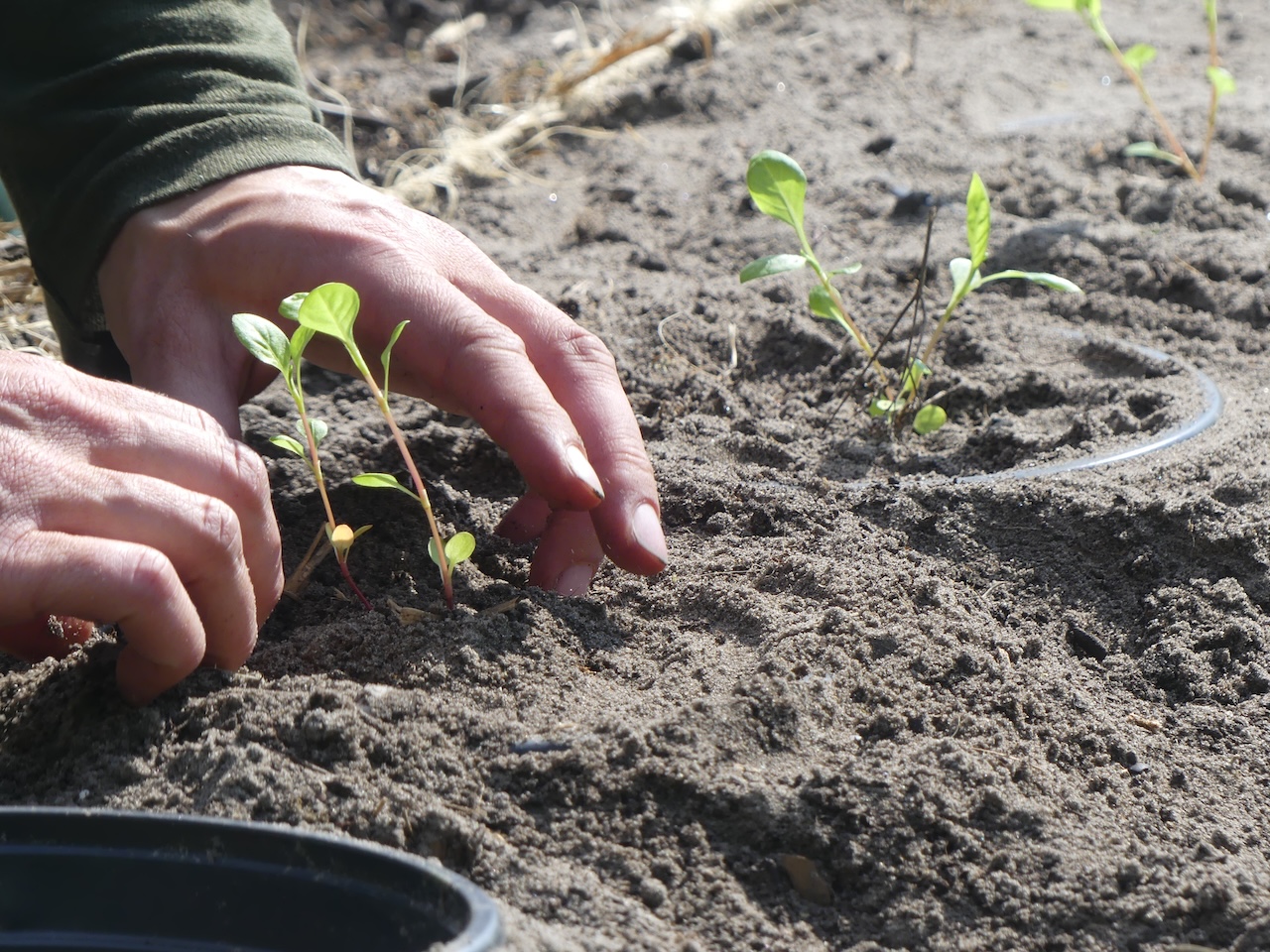
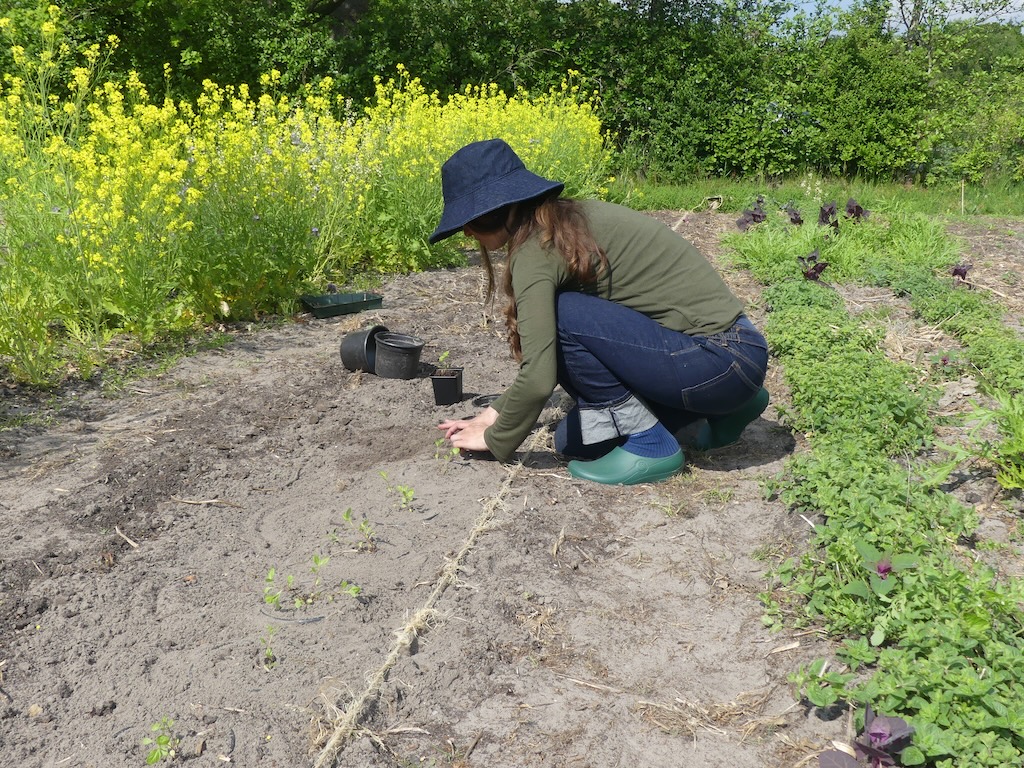
Figs. 7-8. Japanese indigo (Persicaria tinctoria) plants planted outdoors at De Bramenhorst, a sustainable organic farm in Wassenaar in May 2026.
This experimental part of the research raises fascinating questions. How does Japanese indigo behave under Dutch weather conditions? Can locally grown plants reproduce colours similar to those found in historical Japanese textiles? And how much does climate affect the final dye result?
For now, this is only the beginning of the fellowship. Yet already, spending time with the TRC collections has revealed just how much information can be contained within a single fragment of cloth. My hope over the coming months is not only to better understand these complex techniques, but also to translate them into accessible workshops and educational formats that allow others — academics, makers, and textile enthusiasts alike — to experience the remarkable world of Japanese kasuri more closely.
By Flora Kovacs-Wester, 23 May 2026


